Dermal Fillers Training
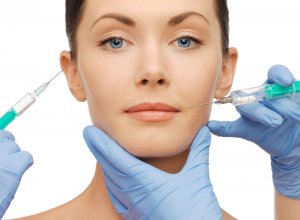
Getting dermal filler training is smart for any medical aesthetics professional. Plastic surgery can be a scary word, especially when it’s related to altering someone’s own body image as it can be drastic, harsh, expensive and risky. More people are opting for less pricey, less invasive choices when it comes to their skin and body, which is one of the reasons the medical aesthetics industry has become so popular. In fact, Botox and dermal fillers are consistently the top two nonsurgical cosmetic procedures performed each year.
Dermal fillers are among the most popular ways to reduce wrinkles. The cosmetic treatment is fast, minimally invasive, not very painful and capable of producing noticeable results on the first round. Since results last for several months, the treatment doesn’t have to be repeated very often. Rising demand has also led to lower prices, so more people than ever can afford to look their best with these injections. Many medical clinics and spas around the world now offer dermal fillers alongside their other medical aesthetic services.
What Are Dermal Fillers?
Many visible signs of aging can be traced back to volume loss. As facial tissue thins out, fine lines begin to appear around the nose and mouth, and the cheeks start to look hollow. Dermal fillers contain hyaluronic acid, a substance found naturally in the body, which is injected directly into the sagging spaces in the dermal layers beneath the skin’s surface. When collagen weakens and breaks down with aging, it causes the skin above to sag into the spaces left behind, which causes wrinkles. Injectable dermal fillers remedy this by filling in those spaces, replacing lost collagen to smooth wrinkles and plump the lips and cheeks.
Getting injected with a dermal filler doesn’t take much time and usually produces no significant side effects; the most anyone typically experiences is some temporary redness and swelling at the injection site. The FDA has approved certain dermal fillers for specific indications and treatment areas, including nasolabial folds, perioral lines, lips, cheeks, temples, tear troughs, chin and the back of the hands. Dermal fillers also have off-label uses, meaning some providers use FDA-approved products in areas or for purposes not specifically included in the product’s FDA-approved labeling, such as the nose, under-eye area and earlobes.
Types Of Dermal Fillers
There are several different types of dermal fillers on the market, and each cosmetic injector tends to develop their own preferred products to work with:
Hyaluronic Acid (HA) Fillers:
Hyaluronic Acid (HA) fillers are the most popular type, including Juvederm, Restylane and Voluma. Because hyaluronic acid naturally occurs in the body and helps promote new collagen growth, these soft, gel-like fillers tend to produce the most natural-looking results and typically last six months to a year.
Synthetic Fillers:
RADIESSE and Sculptra are both synthetic dermal fillers that are classified as biostimulators because they stimulate the body’s natural collagen production. RADIESSE contains calcium hydroxylapatite (CaHA), which provides some immediate volume while encouraging collagen and elastin production over time. Sculptra contains poly-L-lactic acid (PLLA) and works primarily by stimulating collagen production, with results developing gradually over time.
Collagen Fillers:
Collagen fillers are purified collagen sourced from animals. These results don’t tend to last nearly as long as hyaluronic acid or synthetic fillers.
Choosing the right filler for a given client depends heavily on the treatment area and desired outcome, which is exactly why proper dermal filler training matters so much. A well-trained injector knows how to match the right product to the right client rather than defaulting to a single go-to option.
8 Facts About Dermal Fillers
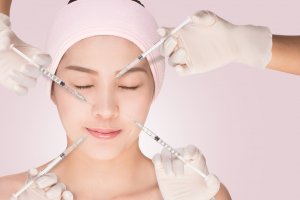 If you’re a medical professional considering dermal filler training, here are eight things you’ll come to understand well during a comprehensive dermal filler course:
- Dermal fillers are a non-surgical procedure. Clients can achieve the fuller lips or plumper cheeks they’ve always wanted without surgery, and downtime is minimal.
- Every injector has their preferred filler. A cosmetic injector is like an artist, and just as every artist has a preferred medium, each injector develops their own preferred facial filler among the many FDA-approved options available.
- Hyaluronic acid naturally occurs in the body. It keeps skin hydrated and plump, and HA-based fillers typically last between six and 12 months.
- You control how much product is used. It’s easy to control the amount of filler injected. A skilled nurse injector will discuss what’s achievable and what will look best on a given client’s face — typically, one syringe is enough to achieve a natural look without going overboard.
- Fillers are reversible. If a client doesn’t love the result, it isn’t permanent. Hyaluronidase, an enzyme that breaks down hyaluronic acid, can be injected to dissolve hyaluronic acid dermal fillers when appropriate.
- Swelling is possible. Some initial swelling is common after treatment, but it typically fades by the following day, revealing fuller, plumper results.
- Preparation is key. Clients should avoid painkillers, Vitamin E, fish oil and alcohol before treatment, since these act as blood thinners and can increase the risk of bruising.
- Pain is minimal. Many clients describe the injection as feeling like a small pinprick or nothing at all. A topical numbing cream is typically applied beforehand to minimize any discomfort.
The Client Experience
It helps to understand dermal filler training from the client’s perspective, too. One client who received her first lip filler treatment in National Laser Institute’s training environment described feeling some nervousness beforehand, mostly from not knowing exactly what to expect; but said that feeling faded quickly once her physician walked her through the entire process step by step before beginning. She described the injection itself as a brief pinch that lasted only a second, and was shown her results with a mirror partway through treatment, seeing fuller lips that still preserved her natural structure rather than looking overdone. Afterward, she said the experience exceeded her expectations, with results that continued to look more natural as mild swelling faded over the following week. Her takeaway: the anticipation beforehand was worse than the treatment itself, and having an attentive, educated provider explaining every step along the way made all the difference in how comfortable she felt.
This is a useful reminder for aspiring injectors, too — a great dermal filler treatment isn’t only about technique, it’s about how well you communicate with and reassure your client throughout the process.
The Trend Toward Subtlety
The dermal filler industry has shifted meaningfully over the past decade toward more natural, subtle results rather than dramatic, obvious ones. Industry surveys have found that “subtlety” has increasingly become the word patients use most often to describe what they want, with minimally invasive procedures producing understated results that suit what many clients are actually looking for. This shift owes a lot to injectors who pioneered lighter, more conservative injection techniques specifically to minimize the risk of an overdone appearance; a lesson learned in part from watching how overzealous, heavy-handed treatment could produce results patients didn’t want. Demand for minimally invasive procedures like Botox and soft tissue fillers has continued to climb year over year as a result, with fillers remaining one of the top nonsurgical treatments performed nationwide.
The importance of dermal filler training with a genuine focus on subtle, natural-looking results can meaningfully affect your bottom line as a practitioner as clients today are looking for injectors who can deliver refinement, not just volume.
Dermal Filler Career Options
There are a lot of career options that come with being trained in dermal fillers and cosmetic injectables. Many practitioners end up working in doctors’ or dermatologists’ offices, while others work in medical spa environments where they also perform a variety of cosmetic laser treatments. Some have started their own businesses, and others choose to work part-time on a contract basis. That’s part of the beauty of this industry as there’s real room to be creative with how you build your career around it.
Dermal Filler Training At National Laser Institute
At National Laser Institute, medical professionals (doctors, physicians, nurses, physician’s assistants, and dentists) can become trained in cosmetic injectables in as little as a weekend, with more comprehensive courses available in one to two weeks.
Each CE/CME cosmetic injectables course is divided into digital pre-study education and hands-on clinical training to provide the ultimate learning experience. In the classroom, you’ll learn from different expert instructors covering facial anatomy, proper injection technique, patient selection, pre- and post-patient care and more. The second half of the course is spent doing hands-on clinical training in a medical spa environment with scheduled clients, giving you genuine real-world experience — you’ll be placed in small, intimate groups to watch comprehensive injectable demonstrations before performing treatments yourself.
In addition to dermal fillers, you’ll also learn other in-demand cosmetic injectables, including Botox, Platelet-Rich Plasma (PRP), biostimulators and PDO threads. By the end of your course, you’ll feel comfortable and confident performing these treatments in any medical setting.
National Laser Institute is the leader in the medical aesthetics industry, providing only the highest quality training with top-of-the-line equipment. With small classroom settings, you’ll receive the individual attention you deserve throughout your training.
For more information on dermal fillers training or our other CE/CME courses, feel free to give us a call at 800-982-6817 or fill out the form on our site.
About the Author
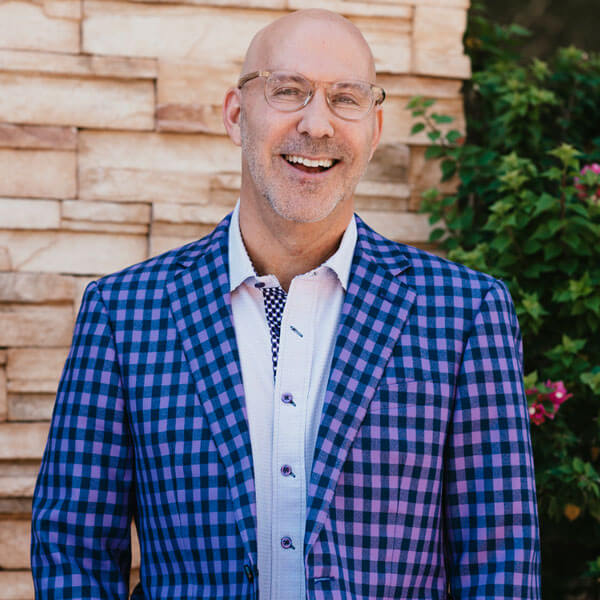
Louis J. Silberman is the CEO and Co-Founder of National Laser Institute, the pioneer of the medical aesthetics training industry and the largest educator in the country. NLI also operates one of the busiest medical spas in the country, seeing up to 3,000 clients per month. Louis Silberman is also an entrepreneur who has been named Ernest and Young’s EY Entrepreneur of the Year Semifinalist.