Botox Certification And Injection Training
Botox is the most sought-after nonsurgical cosmetic treatment in the United States, with millions of treatments performed every year and the broader market for nonsurgical cosmetic services projected to reach billions in the years ahead. Clients don’t have to visit a doctor’s office to get this in-demand treatment anymore. Because of its popularity, medical professionals now perform Botox in medical spas, dermatology clinics, salons, plastic surgeon offices, health facilities and more. If you’re a nurse, doctor or other medical professional, getting your Botox certification and injection training is genuinely a worthwhile investment in your career.
How Does Botox Work?
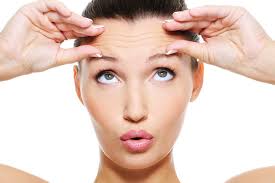
Botox is a neurotoxin (Botulinum Toxin Type A) that works by temporarily blocking the nerve signals to the muscles responsible for creating dynamic wrinkles — the lines caused by repeated facial expressions like frowning, squinting and smiling. Over time, those repetitive motions cause the skin to crease and fold, forming lines around the forehead, eyes and mouth. When Botox is injected into specific muscles, it relaxes them and inhibits their ability to contract, which smooths the skin’s surface while still allowing clients to maintain their normal facial expressions. There’s a common misconception that Botox “freezes” the face entirely, but that isn’t the case — clients retain a full range of expression, just without the deep creasing that forms those particular lines.
The full effects of Botox typically begin to show within three to seven days post-treatment and generally last three to four months before another session is needed. Botox isn’t only for people who already have visible wrinkles either as it has become increasingly used preventatively to help relax the muscles that create dynamic wrinkles before those lines have a chance to set in.
Common Botox Treatment Areas
For BOTOX Cosmetic (onabotulinumtoxinA), the FDA-approved cosmetic treatment areas in adults are:
- Glabellar/Frown lines — the “11” between the eyebrows
- Crow’s feet — the lateral canthal lines around the outer eyes
- Forehead lines — the horizontal lines that form from raising the eyebrows
- Platysma bands— vertical bands connecting the jaw and neck; this is the newest cosmetic indication
Common treatments such as bunny lines, lip flip, gummy smile, chin dimpling, masseter/jaw slimming, under-eye lines, brow lift and downturned mouth corners are off-label Botox treatments. Off-label simply means the manufacturer has not gone through the additional time, expense and studies required to obtain FDA approval for that specific treatment area.
These treatments are extremely common in aesthetic medicine and are routinely performed by experienced providers throughout the industry. Providers learn these techniques through advanced education and hands-on training programs such as National Laser Institute and other professional training organizations.
Consumers seeking Botox education and demonstrations want to learn both on-label and off-label procedures, as the vast majority of consumers receiving Botox today are enjoying treatment in a variety of areas across the face. A comprehensive Botox education should therefore include both FDA-approved treatment areas and commonly performed off-label techniques so students are exposed to the full range of procedures they are likely to encounter in today’s aesthetic marketplace.
The Botox Treatment Process
A typical Botox appointment follows four steps:
- Consultation. The cosmetic injector assesses the client’s facial anatomy, asks about their skin concerns, and maps out the areas that need treatment — understanding the client’s goals and expectations is essential at this stage.
- Mapping the treatment area. The injector marks out the client’s desired treatment area, whether that’s the forehead, the glabellar lines, crow’s feet, or a combination of sites.
- Injections. Using a fine needle, the injector delivers small, precise amounts of Botox directly into the targeted muscle. The injections are relatively painless, with most clients feeling only a minor pinprick, and the full appointment typically takes just 10 to 20 minutes.
- Post-treatment. There’s no downtime required — clients can resume normal activities immediately, which is exactly why Botox has earned the nickname “the lunchtime procedure.”
Who Qualifies For Botox Certification?
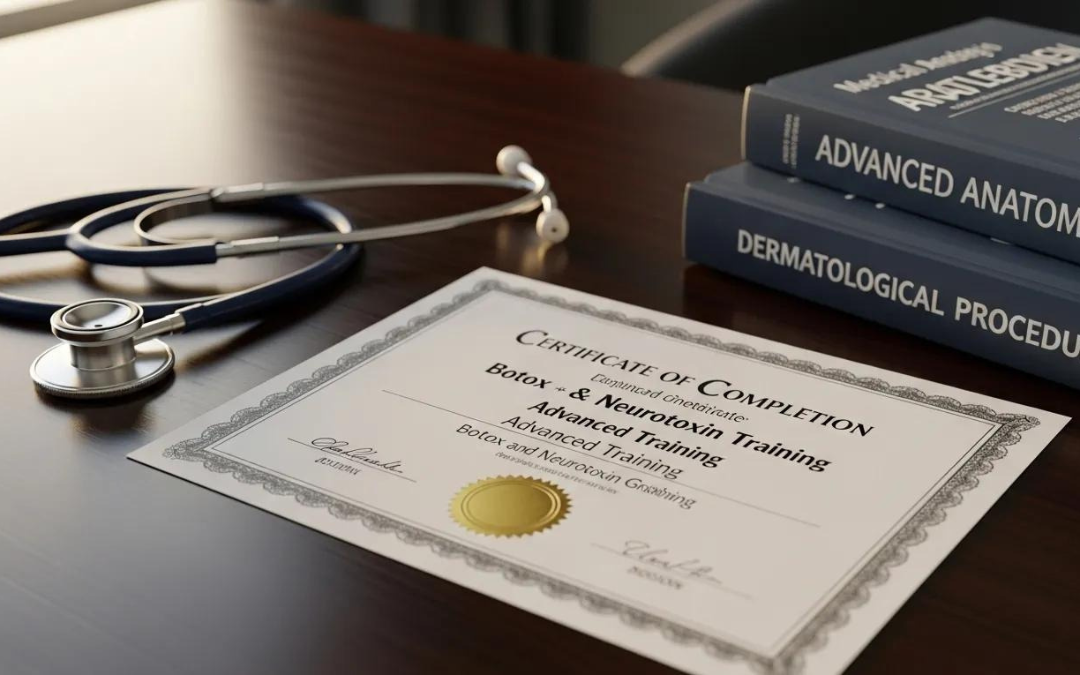 Not just anyone can administer this highly regulated cosmetic injectable. To become a cosmetic injector, you must first be a licensed medical professional (a doctor, nurse, nurse practitioner, physician’s assistant or in some states a dentist). Each state sets its own regulations for who can perform Botox and under what conditions; in Arizona, for example, aestheticians and skin care specialists are not permitted to perform Botox at all, and depending on the state, some medical professionals must renew their Botox certification every few years to stay current with the latest injection techniques. Because rules vary so much by location, it’s worth confirming your state’s specific requirements before enrolling in any training program.
Why Medical Professionals Pursue Botox Certification
Because Botox is a cosmetic treatment rather than a medically necessary one, it doesn’t require the hassle of insurance — it’s a cash-in-pocket service, just like dermal fillers and cosmetic laser treatments. Many nurses and doctors pursue their Botox certification for a few key reasons: to earn supplemental income, to avoid insurance-related frustrations entirely or simply because they have a genuine passion for helping clients look and feel their best. Notably, many medical professionals who train with us have experienced salary stagnation or burnout in traditional hospital or clinic settings, and medical aesthetics offers an exciting way to pivot into a related field within a multibillion-dollar industry without leaving medicine behind.
The earning potential is a major draw. Here’s a look at typical treatment costs and the revenue potential across popular medical aesthetic services:
| Treatment | Duration | Average Cost | Potential Revenue in 1 Hour |
| Botulinum Type A (Botox, Dysport) | 5–10 min | $500+ | $1,540 |
| Intense Pulsed Light (IPL) | 30 min | $433 | $866 |
| Laser Hair Reduction | 30 min | $306 | $612 |
| Kybella | 30 min | $1,257 | $2,514 |
| Body Contouring | 1 hr | $300/$500 | $1,681 |
| Sclerotherapy | 30 min | $326 | $652 |
| Hyaluronic Acid Fillers (Juvederm, Restylane) | 30 min | $644 | $1,288 |
| Platelet-Rich Plasma (PRP) | 30 min | $650 | $1,300 |
*It is typical for Medical professionals to make large six-figure incomes, and prices may vary depending on the state you live in.
Botox Certification Course Options And Structure
National Laser Institute’s Botox injection training course offers a 1-4 day cosmetic injection training option.
We provide a focused one-day Botox and neurotoxin certification, along with a two-day program that integrates both Botox and dermal filler training. Our premier offering, however, remains the comprehensive medical professional course. This all-encompassing program immerses students in the industry’s most popular aesthetic procedures, spanning Botox and fillers to advanced techniques like PRP, PRF, biostimulators, and PDO threads. Students also master microneedling with salmon DNA as well as the latest in cosmetic laser technology. An example two-day program may look something like this:
Day 1:
Morning – Botox Certification
Afternoon – Dermal Fillers Certification
Day 2:
Morning – Facial Balancing
Afternoon – Next Level Lips Certification
Generally, training runs from 8:00 a.m. to 6:00 p.m., with students completing two certifications each day. For example, the morning session from 8:00 a.m. to 12:30 p.m. may focus on Botox, while the afternoon session from 1:30 p.m. to 6:00 p.m. may cover dermal fillers. Throughout each session, students receive supervised, clinical hands-on training from professional instructors, allowing them to gain practical, real-world experience with each certification in a clinical setting.
All course formats combine digital, online didactic education with hands-on clinical training in a luxury retail medical spa setting. Students complete their pre-study coursework online before arriving for in-person training, where they work with real, scheduled clients, not simply practice on fellow students.
National Laser Institute Highlights

Founded in 2004, National Laser Institute was the first school in the country to provide medical aesthetic training for laser and injectables, and it remains a pioneer in the field over two decades later. A few reasons medical professionals consistently choose us:
- 20,000+ successful graduates and a Graduate Services Department that sends out 100 to 500 job leads to alumni every month
- 7,000+ five-star reviews and recognition as the #1 rated medical aesthetics training brand in the country
- Courses licensed by the Arizona Board for Private Postsecondary Education, approved for up to 66 prescribed CME credits by the American Academy of Family Physicians, and approved by the Western Multi-State Division for nursing CE credit
- Instructors who are physicians, nurse practitioners, physician’s assistants, nurses, and laser experts, backed by a Medical Advisory Board with over 100 years of combined experience
- Hands-on training with live scheduled clients,not mannequins or fellow students
- A dedicated business development and marketing seminar to help you launch or grow your own practice
- Nationwide training locations, including our flagship campuses in Scottsdale, Arizona, Dallas, Texas and Chicago, Illinois
If you’re a physician or nurse looking to enhance your service offering with Botox, we’d love to help you get there. National Laser Institute is recognized as the gold standard education and offers both hands-on clinical training as well as instruction led by top industry experts in the field. We’ve been around for over a decade and have received many outstanding reviews. To learn more about Botox certification and injection training, contact us today or call 800-982-6817 now.
About the Author
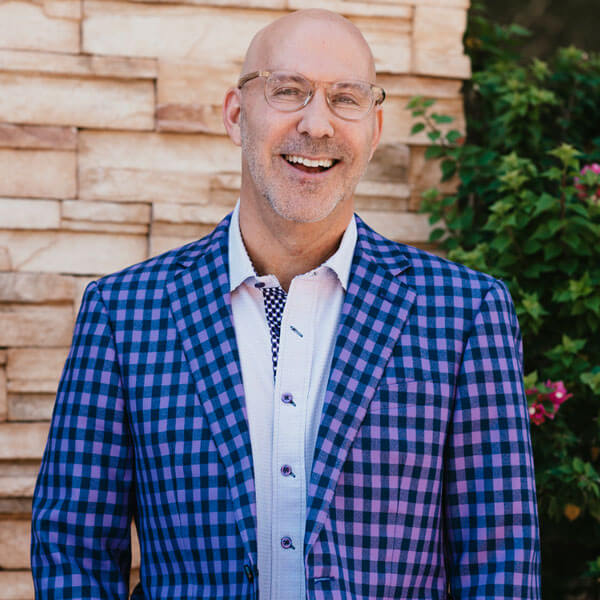
Louis J. Silberman is the CEO and Co-Founder of National Laser Institute, the pioneer of the medical aesthetics training industry and the largest educator in the country. NLI also operates one of the busiest medical spas in the country, seeing up to 3,000 clients per month. Louis Silberman is also an entrepreneur who has been named Ernest and Young’s EY Entrepreneur of the Year Semifinalist.