Cosmetic Laser Technician Jobs
Are you a motivated people-person who wants to connect with clients on the job? Many Americans admit to disliking their current job according to The Detroit News, with many people saying the daily grind has ground them up. Work burnout is real and many feel it may be too late to make a career change. Well, It’s not as many millennials change careers roughly every three years, and Generation X started that trend well before them. If you’re tired of your boring day-to-day mindless grind of a job, the medical aesthetics industry may offer a genuinely exciting alternative. With the medical aesthetics industry projected to reach $22.6 billion this year, the market continues to grow, creating plenty of cosmetic laser technician jobs.
Who Can Enter A Cosmetic Laser Career?
In most states, you can enter this field by meeting two requirements: you must be at least 18 years old and have a high school diploma or its equivalent. That said, regulations vary considerably by state and even by the agency responsible for overseeing lasers locally. In one state, the medical board may regulate laser use, while in another, oversight may fall under the health department or a radiation board. A few states have more specific requirements. For example, California requires laser operators to be nurses, while Florida requires laser operators to be either nurses or electrologists with additional specialized training. Arizona, meanwhile, pioneered mandatory training requirements early on, requiring a minimum of 40 classroom hours plus 48 hours of clinical training which is a model several other states have since followed. Because the laws are still taking shape in many places, it’s worth talking to laser technicians already working in your area to understand your state’s current requirements to qualify for cosmetic laser technician jobs .
What Do Cosmetic Lasers Treat?
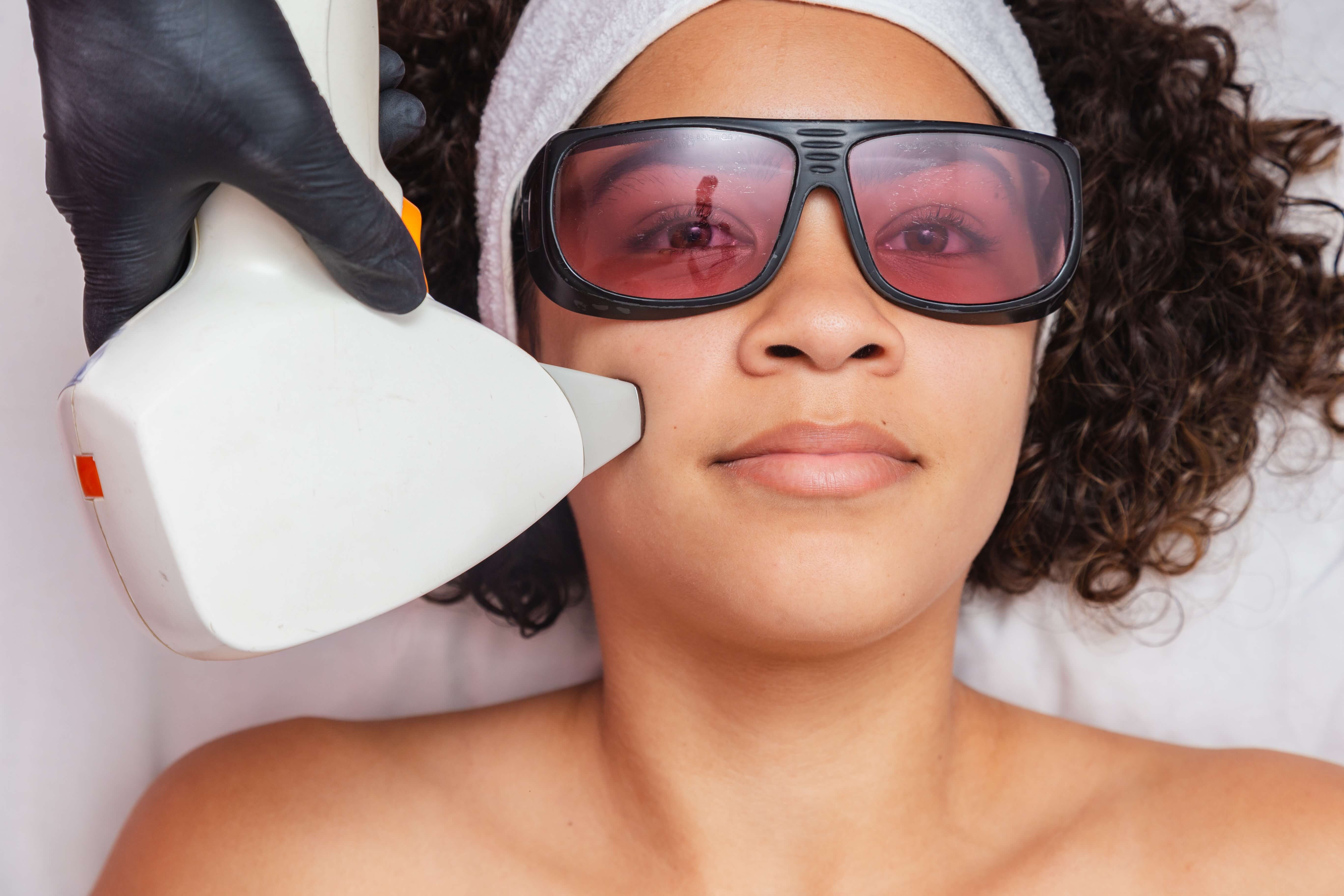
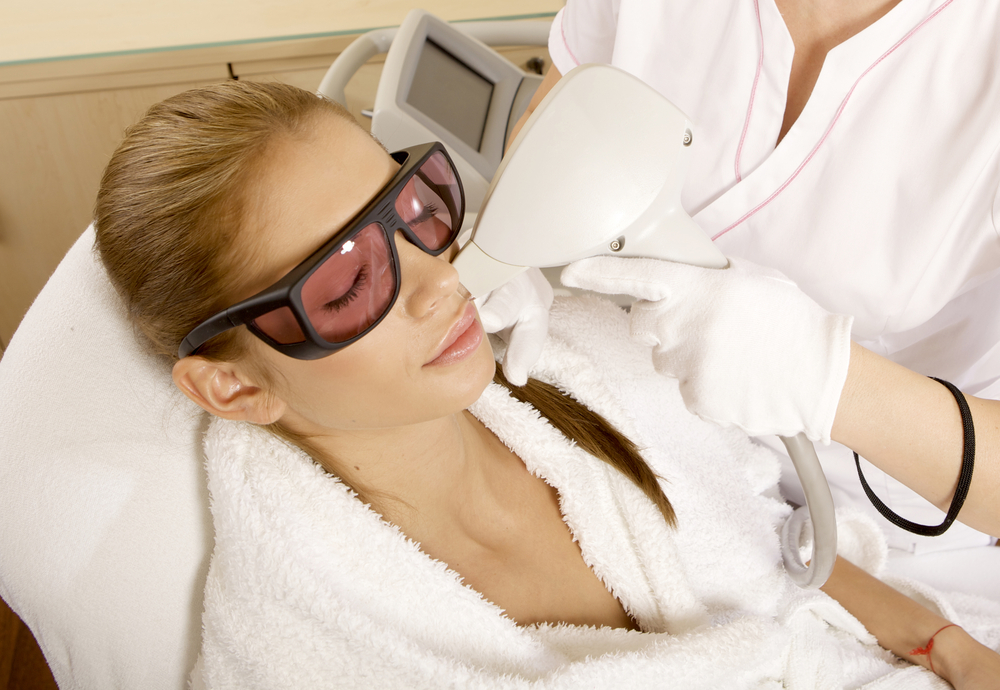
Cosmetic lasers can treat minor to severe acne, lighten dark spots, tighten skin to minimize wrinkles and offer total skin rejuvenation. More broadly, laser and light-based treatments can address age spots, broken capillaries, rosacea, sun damage, unwanted hair and uneven pigmentation. These versatile treatments are one reason cosmetic laser technology has become popular among well-known public figures looking to maintain a youthful appearance.

 Demand And Earning Potential For Laser Technician Jobs
The numbers behind this industry are hard to ignore. Non-surgical cosmetic treatments have grown by more than 850% since the late 1990s, and by 2007 alone, more than 11.7 million cosmetic procedures were being performed annually nationwide. Laser hair removal and laser skin resurfacing consistently rank among the top five most popular nonsurgical procedures. According to the Bureau of Labor Statistics, the field is projected to grow by 9% between 2025 and 2035. The current median annual salary for laser technicians is roughly $53,624, and many technicians can earn additional income through commissions. Physicians and nurses may also pursue laser certification to expand their skills and generate supplemental income, making laser technician jobs an enticing career option for those interested in the field.
Because these are cosmetic, cash-based treatments, there’s no dealing with complicated insurance policies. Pricing reflects steady demand: laser hair removal typically runs $50–$150 per session, while higher-end treatments like MicroLaserPeels or radiofrequency skin rejuvenation can run $400–$700. Client satisfaction is strong as well — in one survey, 66% of laser hair removal clients said they’d get the treatment again, and 75% said the same about photorejuvenation.
 Where Can You Work?
As medical spas continue opening around the country, cosmetic laser technicians can find work in a wide variety of settings, each with its own appeal:
- Physicians’ offices — primary care physicians, OB/GYNs and other doctors increasingly add aesthetic services to their practices since they’re cash-based with no insurance hassle
- Plastic Surgeon offices – plastic surgeons often offer cosmetic laser treatments alongside surgical procedures and injectables, creating opportunities for trained laser technicians to provide non-invasive treatments and help patients achieve their aesthetic goals
- Medical spas — where cosmetic lasers complement injectables like Botox and dermal fillers
- Day spas and beauty salons — some now bring in a physician or nurse to offer treatments their clients would otherwise seek elsewhere
- Niche boutiques — small businesses focused on one treatment type, like laser hair or tattoo removal, which naturally build repeat clientele since most treatments require multiple sessions
- Fitness centers — some national chains now offer cosmetic laser treatments as an in-house amenity to attract both members and new clients
You might also find yourself specializing in a particular treatment once you begin training — go with what feels right, since laser technician jobs offer plenty of room to find your niche.
5 Things To Look For In A Laser Training Course
Not all training programs are created equal, so it’s worth asking the right questions before enrolling. Some things to think about and look for:
1. Reputation
How long has the school been in business? Is it approved through your state’s post-secondary board? Do graduates and industry professionals speak well of it?
2. Instructor experience
Who’s teaching you, and how long have they been in the industry? Learning from a variety of instructors (including a dermatologist for skin conditions) gives you a broader perspective than relying on just one or two.
3. Curriculum and hours
Does the program cover laser bio-physics, anatomy and physiology of hair and skin, laser-tissue interaction and laser safety? Will you become a Laser Safety Officer upon completion? How many classroom versus clinical hours are included?
4. Equipment
Will you train on state-of-the-art machines from leading manufacturers, or just one outdated device? A course with diverse, current equipment gives you far more real-world versatility.
5. Treatments performed
Will training happen in a real medical spa setting or just a classroom? How many treatments will you actually perform on live models, and what’s the student-to-instructor ratio during clinical hours?
Training At National Laser Institute
Since opening in 2003, National Laser Institute has trained thousands of cosmetic laser technicians and pioneered the laser training curriculum that many other schools now model themselves after. National Laser Institute’s comprehensive A-Z course covers a wide range of treatments, including IPL photofacials, laser skin tightening, CoolSculpting body contouring, laser wrinkle reduction and RF skin tightening. Courses are led by dermatologists, cosmetic surgeons, and leading medical aesthetics professionals who provide hands-on training with the latest technologies in the field.
If you’re interested in joining the medical aesthetics industry in a lucrative cosmetic laser career, come to National Laser Institute. You’ll leave with the skills and confidence to pursue cosmetic laser technician jobs and take the next step toward achieving your career goals.
“Finding your purpose isn’t only about making great money, it’s about so much more. It’s about tapping into your passions and chasing your dreams.” — Louis Silberman, CEO
To learn more about becoming a cosmetic laser technician, call 800-982-6817 now or fill out the form on our site.

About the Author
Louis J. Silberman is the CEO and Co-Founder of National Laser Institute, the pioneer of the medical aesthetics training industry and the largest educator in the country. NLI also operates one of the busiest medical spas in the country, seeing up to 3,000 clients per month. Louis Silberman is also an entrepreneur who has been named Ernest and Young’s EY Entrepreneur of the Year Semifinalist.