We Offer Students the Best Medical Aesthetics Training in the Country
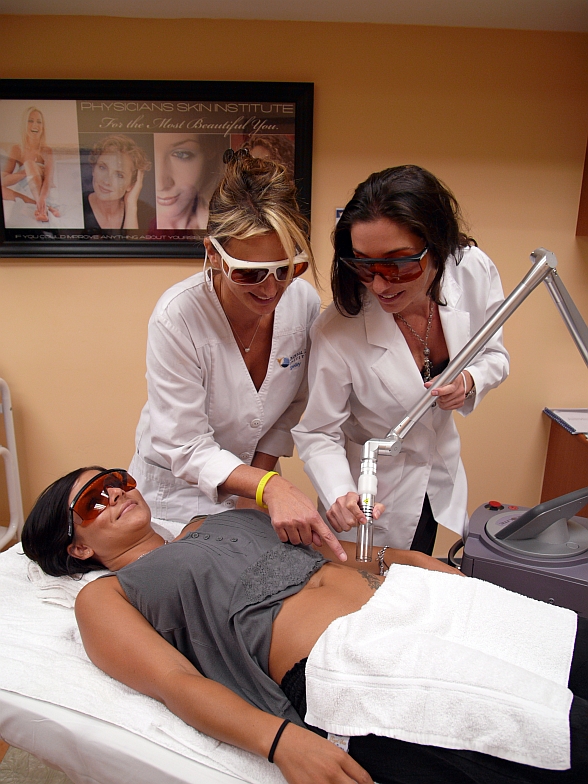 Recognized as the leader in the medical aesthetics industry, we are dedicated to providing the best treatments and education for our students. Students have a choice of receiving BOTOX® training, dermal filler training, laser training, and more from the course options we offer. Plus, students have the opportunity to learn the most advanced treatments in the industry right now!
Medical aesthetics training is one of the fastest-growing pathways into the beauty, wellness, and cosmetic medicine industries. As more people seek non-surgical treatments like Botox, dermal fillers, laser hair removal, skin rejuvenation, and body contouring, the demand for trained aesthetic professionals continues to rise.
If you are exploring medical aesthetics courses to start a new career or expand your current services, it is important to understand what this training includes, who it is for, and how to choose the right program.
Whether you are a nurse, esthetician, physician, med spa entrepreneur, or someone looking to transition into the aesthetics field, the right medical aesthetics training program can open the door to a flexible, high-demand, and rewarding career.
What Is Medical Aesthetics Training?
Medical aesthetics training teaches students how to perform or support non-surgical cosmetic procedures designed to improve the appearance of skin, facial features, and body contours. Depending on the course type, training may include both clinical knowledge and hands-on procedural education.
A high-quality medical esthetic training program may cover treatments such as:
- Botox and other neurotoxin injections
- Dermal fillers
- Laser hair removal
- IPL photofacials
- Skin tightening
- Skin resurfacing
- Tattoo removal
- Body contouring
- Medical-grade skincare protocols
This type of aesthetic medical training blends science, patient care, safety, technology, and cosmetic artistry. It is designed to prepare students for real-world aesthetic environments such as med spas, cosmetic clinics, dermatology offices, plastic surgery practices, and wellness centers.
Who Should Consider Medical Aesthetics Training?
Medical aesthetics is no longer limited to one professional background. Today, many different people pursue esthetic medicine training to either enter the field or expand their scope of services. This type of training may be a fit for:
- Registered nurses
- Nurse practitioners
- Physicians
- Dentists
- Physician assistants
- Licensed estheticians
- Medical professionals seeking career diversification
- Beauty and wellness professionals interested in cosmetic technology
Some programs focus more heavily on injectables, while others center around laser and device-based procedures. The best medical aesthetics courses are structured to help students understand both the treatment side and the business side of aesthetic medicine.
What Do Medical Aesthetics Courses Include?
Not all medical aesthetics courses are the same. Some are designed for beginners, while others are advanced training programs for licensed medical providers. Some are primarily lecture-based, while others emphasize hands-on clinical education.
A comprehensive medical aesthetics training program should include:
- Facial anatomy
- Skin anatomy and skin typing
- Patient consultation techniques
- Treatment planning
- Laser safety
- Injection fundamentals
- Complication awareness
- Pre-treatment and post-treatment care
- Device education
- Real-world hands-on practice
The strongest programs combine classroom education with supervised live model training. This matters because aesthetics is a hands-on profession, and students need practical experience to build confidence and competence.
Medical Aesthetics Courses Online vs. Hands-On Training
Many people begin their search with phrases like medical aesthetics courses online because online learning can feel convenient and accessible. Online coursework can be useful for understanding theory, reviewing anatomy, and learning the fundamentals of aesthetic treatments.
However, medical aesthetics is not purely academic. Students who want to succeed in this field typically need hands-on instruction to safely perform treatments and develop clinical judgment.
Online medical aesthetics courses may help with:
- foundational education
- treatment theory
- anatomy review
- safety concepts
- business and marketing basics
- Hands-on training is essential for:
- injection technique
- laser device operation
- patient assessment
- treatment customization
- confidence with live clients
The best path is often a blended one: strong educational foundations plus in-person practical experience. That is especially important for students comparing medical aesthetics courses online with immersive training programs that offer real clinical exposure.
Botox Training vs. Laser Training: What Is the Difference?
One of the biggest opportunities for this page is clarifying the difference between injectable-focused education and laser-focused education. Many students interested in medical aesthetics training are not sure whether to start with Botox and fillers or cosmetic lasers.
Botox and filler training usually focuses on:
- facial anatomy
- neurotoxins
- dermal fillers
- injection technique
- cosmetic facial balancing
- consultation and treatment planning
- Laser training usually focuses on:
- laser physics and safety
- skin concerns and treatment selection
- hair removal
- skin rejuvenation
- IPL and resurfacing technologies
- device settings and protocols
For many students, the ideal long-term path includes both. Injectable training can support a more medically advanced cosmetic role, while laser training opens the door to a wide range of non-invasive aesthetic treatments. Together, they form a strong foundation for a career in medical aesthetics.
How to Get Started in Medical Aesthetics
If you are considering a career in this field, the first step is understanding your background and which training path aligns with your goals.
Step 1: Identify your career path
Are you interested in:
- injectables
- laser procedures
- skin treatments
- med spa ownership
- expanding your credentials as a healthcare provider
Step 2: Choose the right course type
Some students need a broad introduction to the industry, while others need specialized training in injectables or laser technologies. The best medical aesthetics training program for you will depend on your licensing status and the services you want to provide.
Step 3: Prioritize hands-on education
Aesthetics is a practical field. Look for programs that include supervised clinical training and exposure to multiple treatments.
Step 4: Understand state requirements
Scope of practice rules vary by state. Some treatments can only be performed by licensed medical professionals, while others may be delegated or performed under supervision. A strong program will explain how regulations affect your path.
Step 5: Build real-world confidence
The most successful graduates leave training with more than knowledge. They leave with the confidence to consult with patients, understand devices, and perform treatments safely and professionally.
Career Opportunities After Medical Aesthetics Training
One of the reasons medical esthetic training is so appealing is that it can lead to a wide range of career options.
Graduates may go on to work in:
- medical spas
- dermatology clinics
- plastic surgery practices
- wellness and anti-aging centers
- physician-owned aesthetic practices
- luxury skincare clinics
- independent consulting and business development roles
Depending on credentials and state regulations, students may specialize in injectables, lasers, skincare treatments, or a combination of services. Many professionals also use aesthetic medical training to increase their value within an existing practice or launch a new revenue stream for their business.
Medical Aesthetics Salary and Earning Potential
A lot of prospective students want to know whether medical aesthetics is worth it financially. While income varies based on credentials, location, services offered, and practice model, the field is known for strong growth potential.
Professionals in aesthetics may earn income through:
- hourly compensation
- salary
- treatment commissions
- retail commissions
- performance bonuses
- tips in some practice settings
Those with advanced credentials or specialized treatment skills often have even greater earning potential. Students who combine injectables, laser treatments, and skincare knowledge may be especially well-positioned in competitive markets.
A page like this should speak to outcomes clearly: medical aesthetics training is not just about learning procedures. It is about building a career in a growing industry with multiple paths for advancement.
How to Choose the Best Medical Aesthetics Training Program
There are many programs on the market, so students need to know what separates a quality course from a weak one.
When comparing medical aesthetics courses, look for:
- hands-on live model training
- experienced instructors
- multiple treatment types
- strong student support
- certification or documented completion
- reputable industry presence
- transparent course structure
- career guidance or post-training support
It is also important to choose a school that teaches both safety and treatment outcomes. A good training program should not only help students perform procedures, but also help them understand patient selection, contraindications, consultation skills, and ethical practice.
Why Medical Aesthetics Training Continues to Grow
The aesthetics industry has expanded rapidly as more people seek cosmetic treatments with little to no downtime. This has created lasting demand for providers who understand both the science and artistry behind modern procedures.
That is why medical aesthetics training continues to attract:
- career changers
- licensed estheticians
- nurses and nurse injectors
- doctors and dentists
- entrepreneurs entering the med spa industry
As the market grows, employers and clients are looking for providers who have credible education, hands-on experience, and confidence with modern treatments. The right training program helps students stand out in that environment.
Popular Treatments
Some of the most popular cosmetic laser treatments include laser hair reduction, laser wrinkle reduction, laser cellulite reduction, laser acne reduction, and many more. Our goal is to train students in a comprehensive laser training environment and exposing them to our most advanced lasers and treatments.
According to The American Society of Plastic Surgeons (ASPS), 1.1 million people received laser hair reduction treatments last year, increasing 15% from 2010. In total, non-surgical cosmetic treatments increased by 6%, totaling 12.2 million treatments performed in 2011. This proves that the cosmetic laser industry is still on the rise, which is why we only train our students with the best of the best, state-of-the-art laser equipment.
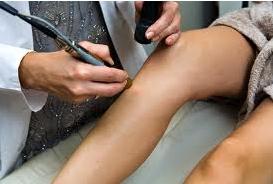 Medical professionals are also welcome to take our BOTOX® training and dermal filler training courses. Students will learn all about the latest and most advanced injection techniques as well as receive hands-on training with scheduled clients. These non-surgical “face lifts” are designed to give clients a more youthful look by smoothing out wrinkles and filling out hollowed areas.
BOTOX® was the #1 non-surgical procedure performed last year with dermal fillers coming in right at #2. 5.7 million people received BOTOX® treatments last year, increasing by 5% from 2010. In comparison, dermal fillers brought in 1.9 million treatments last year, increasing by 7% from 2010. With so many people demanding treatments, it’s no wonder why both BOTOX® training and dermal filler training are popular options.
Our Courses
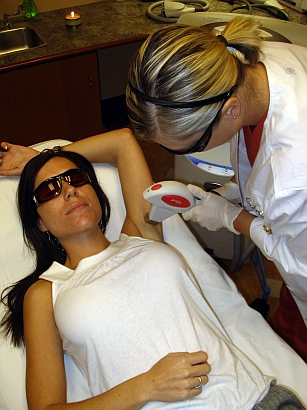 Both medical professionals and people wanting to make a career change into the laser industry can come and receive medical aesthetics training with us.
With our cosmetic injectables courses, you’ll learn how to treat the most commonly requested areas, such as forehead wrinkles, frown lines, crows feet, lip fillers, mouth lines, and hollowed cheeks. You’ll also discover the different kinds of injectables, from Dysport®, Juvederm®, Restylane®, and more.
With our comprehensive laser course, you’ll learn about all the popular cosmetic laser treatments and how they work, including how to fire the laser, set the machine, and all of the pre and post consultation questions.
In all our medical aesthetics courses, you will learn:
• Both through classroom lecture and hands-on with clients
• How both laser and injectable treatments work and how they affect the treated area
• Benefits and risks of medical aesthetic treatments
• Pre and post care treatments
• Business marketing tips and advice
Your Success
Our courses are designed to promote student’s success so they feel comfortable and confident in their training once they leave. Students even have had great things to say about us in their reviews over our courses!
If you’re looking for BOTOX® training, dermal filler training, or laser training, our campus is for you. To learn more about our medical aesthetics training or National Laser Institute, please call 800.982.6817.
Read more information on:
| Laser Hair Reduction SchoolsAesthetic Laser Training Laser Hair Removal Certification | Laser Training InstitutesLaser Treatment Schools |
Start Building Your Future in Medical Aesthetics
If you are ready to explore a future in aesthetics, the right training can provide a strong starting point. Whether your goal is to perform injectables, learn laser procedures, work in a med spa, or expand your medical career, medical aesthetics training gives you the skills and foundation to move forward.
The most effective programs do more than introduce treatments. They prepare students for real opportunities in a rapidly growing industry.
Frequently Asked Questions About Medical Aesthetics Training
What is medical aesthetics training?
Medical aesthetics training teaches students how to perform or support cosmetic procedures such as Botox, dermal fillers, laser treatments, skin rejuvenation, and other non-surgical aesthetic services.
Are there medical aesthetics courses online?
Yes, there are medical aesthetics courses online that cover theory, anatomy, and safety concepts. However, hands-on training is typically essential for learning practical treatment skills and building confidence.
How long does medical aesthetics training take?
The length of training depends on the course type. Some introductory programs can be completed in a short timeframe, while advanced injectable or laser courses may require more hands-on clinical education.
Who can take medical aesthetics courses?
Medical aesthetics courses may be available to nurses, physicians, dentists, physician assistants, licensed estheticians, and other qualified professionals depending on the treatment type and state regulations.
What is the difference between Botox training and laser training?
Botox training focuses on injectables such as neurotoxins and dermal fillers, while laser training focuses on device-based treatments like hair removal, skin rejuvenation, and resurfacing.
Is medical aesthetics a good career?
For many people, yes. Medical aesthetics can offer flexible career options, strong demand, and opportunities to grow in clinical, cosmetic, and business-focused roles.
Do online medical aesthetics courses include certification?
Some online courses provide certificates of completion, but hands-on training may still be required depending on the treatment, employer expectations, and state regulations.
How do I choose the best medical aesthetics training program?
Look for a program with hands-on education, experienced instructors, treatment variety, clear course structure, and strong industry credibility.
About the Author
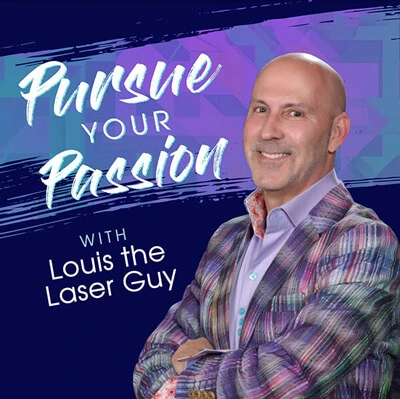
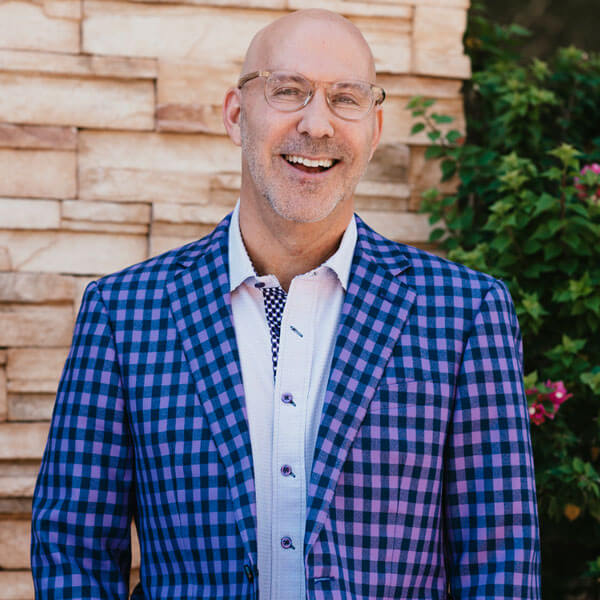
Louis J. Silberman is the CEO and Co-Founder of National Laser Institute, the pioneer of the medical aesthetics training industry and the largest educator in the country. NLI also operates one of the busiest medical spas in the country, seeing up to 3,000 clients per month. Louis Silberman is also an entrepreneur who has been named Ernest and Young’s EY Entrepreneur of the Year Semifinalist.