RF (Radiofrequency) Skin Resurfacing Training
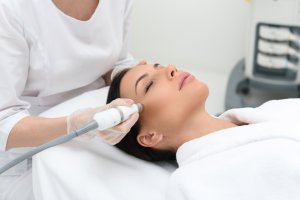
Did you know that the skin on the neck and hands is often where the first signs of aging start to show? While clients can work to conceal the effects of facial aging with skin treatments, makeup or bangs, the question is often asked, what is the best course of action for the neck or hands?
Skin rejuvenation isn’t just for the face and RF (radiofrequency) skin resurfacing is the perfect treatment to stimulate new collagen production and even out the skin’s appearance nearly anywhere on the body.
How Does RF Skin Resurfacing Work?
RF skin resurfacing is neither a laser nor a light-based device, it’s a sublative rejuvenation treatment that gently resurfaces the skin using fractionated bipolar radiofrequency energy, delivering uniform heat at a controlled depth into the deeper layers of the skin.
Each pulse delivers energy via a grid of matrix spots, penetrating beneath the skin’s surface to activate fibroblasts, which signal the skin to regenerate collagen, all while the surrounding untreated tissue helps support and accelerate the overall healing process.
Radiofrequency can be used on nearly any part of the body, including the hands, chest, and neck. RF energy also doesn’t rely on being absorbed by pigment the way laser treatments do, making it a good option for clients with darker skin types.
Clients with dark-skin types can face a higher risk of post-laser complications with pigment-dependent devices, but RF skin resurfacing treatments can be a good option because the technology is less dependent on skin tone.
Learning how to work with different skin types is also an important part of RF skin resurfacing training, particularly for cosmetic laser technicians who want to provide customized treatment plans.
What Can RF Skin Resurfacing Treat?
Sublative treatments create a smoother complexion and address a wide range of skin concerns including acne scars, uneven skin tone, mild wrinkles, sun spots, narrow stretch marks, large pores, and general scarring. Specifically, RF skin resurfacing can:
- Stimulate collagen production in scars and even out the appearance of the skin
- Reduce shallow to middle-depth acne scars and narrow stretch marks for all skin types
- Reduce wrinkles, tighten skin and lift the skin with less downtime than traditional skin rejuvenating treatments
What To Expect During A RF Skin Resurfacing Treatment
On the face, a typical RF skin resurfacing session takes about 10 to 20 minutes depending on the size and area being treated. The standard protocol is three to five treatments, spaced four to six weeks apart, with maintenance treatments recommended every one to two years depending on the client’s skin condition and desired results.
With RF skin resurfacing treatment, downtime is generally minimal but it can vary depending on the machine setting. Clients should expect at least 24 hours of downtime and avoid scheduling treatment right before a big event. Post-treatment tone and texture improvements appear as a result of increased collagen and new, healthy skin cell production.
For hand rejuvenation specifically, the process is even quicker with no numbing cream necessary, making RF skin resurfacing one of the safest, most non-invasive technologies in the aesthetic marketplace.
One client receiving hand rejuvenation during a National Laser Institute training demonstration described the sensation as “just a little sting.” The treatment itself takes only about two minutes and typically costs around $500 in a luxury medical spa or clinical setting, with three to four follow-up treatments needed about a month apart for full results.
 FAQs About RF Skin Resurfacing
How is RF skin resurfacing different from laser skin resurfacing?
Traditional laser resurfacing relies on light energy absorbed by pigment in the skin, which is part of why it carries a higher risk of complications on darker skin tones.
RF skin resurfacing uses controlled heat delivered through bipolar RF energy, making it a safer, more universally applicable option across a broader range of skin types.
Is RF skin resurfacing treatment painful?
Most clients describe the sensation as mild, sometimes comparing it to a light sting or warming feeling rather than genuine pain. Because it’s such a gentle technology, numbing cream typically isn’t necessary for RF skin resurfacing treatment, especially for smaller treatment areas like the hands.
How soon will I see results?
Results build gradually as the body naturally regenerates collagen following treatment, with noticeable improvements in tone and texture appearing over the weeks following each session. Full results typically develop after completing the recommended three to five session protocol.
Can RF skin resurfacing be combined with other treatments?
Yes. Many cosmetic laser technicians pair RF skin rejuvenation with other in-demand treatments like laser hair removal, IPL photofacials or dermal fillers to offer clients a more complete anti-aging treatment plan.
RF Skin Resurfacing Training At National Laser Institute
Are you experiencing job burnout? Consider a career in the $16 billion medical aesthetics industry. If you’re considering a career change, you can learn radiofrequency and other laser treatments in just two weeks with aesthetics training at National Laser Institute.
Every month, we train hundreds of physicians, nurses, estheticians, cosmetologists, and career changers on laser treatments including radiofrequency, laser hair removal, tattoo removal, and more.
Our Comprehensive Laser Course guides you through the most in-demand treatments, including laser hair removal, laser wrinkle reduction and laser tattoo removal, alongside RF skin resurfacing.
The first half of your training is spent in the classroom, where you’ll learn facial anatomy, tissue interaction and pre- and post-patient care, preparing you for hands-on training in our luxury medical spa.
The remaining training days are spent doing clinical hands-on learning in our educational setting. Our dedicated team schedules real clients for you to work on and you’ll use different machines with different instructors each day.
During hands-on training, you’ll watch live demonstrations and get the chance to perform these treatments yourself, gaining genuine real-world experience.
By the end of the course, you’ll feel comfortable and confident administering laser treatments for any skin type in a variety of medical aesthetic settings, including medical spas, doctors’ offices and other medical practices.
To learn more about attending esthetics school at National Laser Institute or our course options, fill out our form now or give us a call today at 1-800-982-6817.
About the Author
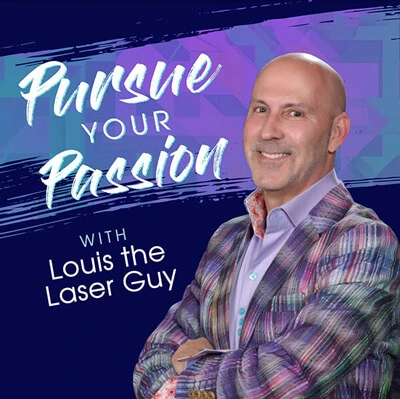
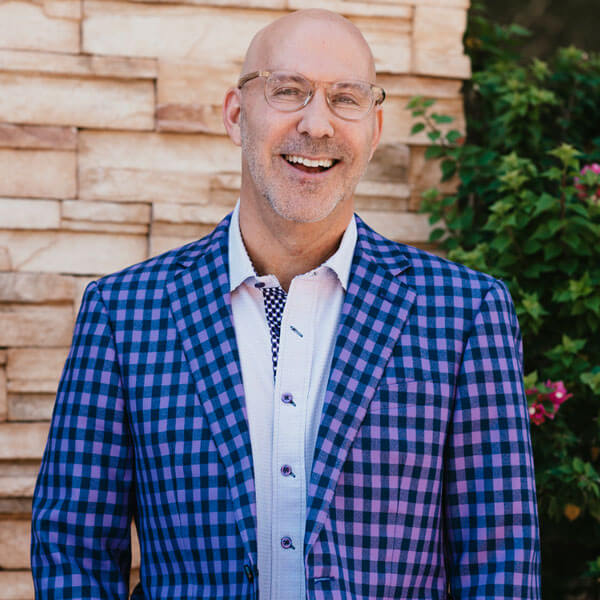
Louis J. Silberman is the CEO and Co-Founder of National Laser Institute, the pioneer of the medical aesthetics training industry and the largest educator in the country. NLI also operates one of the busiest medical spas in the country, seeing up to 3,000 clients per month. Louis Silberman is also an entrepreneur who has been named Ernest and Young’s EY Entrepreneur of the Year Semifinalist.