
How Much Do Estheticians Make In Arizona?

Are you considering a career change or just looking for ways to maximize your income potential? If so, you may want to look into the field of medical esthetics.
Are you curious about the long term earning potential and career opportunities as an esthetician in Arizona? Wondering what exactly do medical estheticians do and how you become one?
Let the experienced professionals at National Laser Institute in Scottsdale walk you through the process below.
What is An Esthetician’s Earning Potential In Arizona?
Salary figures vary depending on the specific data source and job title used. According to Salary.com, the medical esthetician salary range in Arizona runs from $48,593 to $65,762.
Separately, the Bureau of Labor Statistics reports the average annual salary for an aesthetician in Arizona (a broader category) at $47,540, or $18.37 an hour, with the top 10% of all aestheticians nationwide earning over $30 an hour.
The difference largely comes down to scope: medical estheticians performing laser and injectable treatments tend to out-earn those offering only traditional, surface-level services.
The BLS also shows a direct correlation between salary and workplace setting. In order, the top-paying industries for skincare specialists are as follows:
- General Medical and Surgical Hospitals
- Offices of Physicians
- Other Health Practitioner Offices
- Outpatient Care Centers
- Merchant Wholesalers
According to the Bureau of Labor Statistics, employment of skincare specialists is projected to grow nine percent from 2025 to 2035, much faster than the average for all occupations. This projection is good news, especially for those looking to get into an industry that has great earning potential and job security.
What Medical Estheticians Do
The medical esthetics industry continues to boom even during uncertain economic times. According to the Bureau of Labor Statistics, medical estheticians can expect a job growth rate of 11% through 2028, more than double the 5% national average for all jobs.
Medical estheticians are highly qualified skincare specialists. Many procedures focus on facial skin, though some also address skin concerns on the body. Because of this, comparisons are often drawn between medical estheticians and dermatologists, or between medical estheticians and cosmetologists. In reality, medical estheticians fall somewhere in between the two.
Every practice offers its own unique array of services but all medical estheticians work directly with clients to enhance the overall appearance of the skin and many choose to concentrate on one or two specialties.
Who Medical Estheticians Are, And Where They Work
Medical estheticians work in a variety of settings, most commonly salons and spas, though some work in more clinical environments like physicians’ offices or hospitals.
The field welcomes people of all professional backgrounds, though only medical professionals can become certified to administer cosmetic injectables like Botox and Kybella. Medical professionals can meaningfully boost their income potential simply by adding medical esthetics to their existing services.
This multi million-dollar industry is genuinely open to anyone. Some medical esthetician jobs don’t even require a college degree. In most states, the only prerequisites are being over 18 with a high school diploma.
As baby boomers and millennials continue to age, non-invasive cosmetic procedures keep becoming more normalized and the industry shows no signs of slowing. Recent graduates, stay-at-home parents and career changers of every kind may want to consider joining this exciting field.

 Compensation Structures For Medical Estheticians In Arizona
Beyond hourly and salary pay, employers may use a variety of compensation structures including:
- Straight salary. It’s become increasingly common for medical estheticians to be paid a flat salary, offering stability for both employer and employee, along with a stronger sense of professionalism.
Employers typically determine salary based on performance — productivity, sales, and similar metrics, with pay potentially adjusted two to four times a year and deductions sometimes applied to maintain profitability or fund employee benefits.
- Commission. Working on commission is very common in this industry. Aestheticians on commission are paid for any procedures performed during their working hours, plus a percentage of gross sales.
A 50/50 split is the most common structure, though higher or lower splits exist. Employers must still pay at least minimum wage for every hour worked, regardless of commission earned.
- Team member compensation. “Team member” estheticians are paid a base salary, a commission package or sometimes both with employers generally paying whichever amount is greater between the two.
Under the team member structure, employers often track performance using a few key metrics: pre-booked percentage (the rate of clients who schedule a follow-up before leaving), retention percentage (the rate of clients who return for future services), premium service percentage (the rate of higher-tier services performed) and retail percentage (the rate of product sales driven).
- Suite rental / booth renters. Some estheticians work as independent contractors, often called “booth renters,” paying a flat fee to rent a suite or room in a salon or spa.
Suite or booth rental practitioners tend to be more established and experienced, with the freedom to set their own rates and hours — but they’re also responsible for their own supplies, advertising, taxes, and business insurance. Succeeding as a booth renter generally requires both real industry experience and solid business management skills.
Becoming A Medical Esthetician In Arizona
The Arizona State Board of Cosmetology requires all esthetician candidates to complete at least 600 hours of training, then pass both a written test and a hands-on skills exam to become officially licensed. Graduates can then work in a variety of settings or open their own private practice.
Medical estheticians who want to administer cosmetic injectables must come from a medical background to do so; others can become certified cosmetic laser technicians with just a high school diploma.
Medical Esthetician School In Arizona
The average medical esthetician salary in Arizona is well above the national average and the job market continues to boom — so where do you start?
National Laser Institute has been an industry leader for over 20 years, dedicated to helping students advance to the next stage of their careers, whether you’re a medical professional expanding your business or a recent graduate entirely new to the workforce.
During our Comprehensive Laser Course, you’ll receive online classroom laser training with a variety of instructors and live demonstrations across each modality, including Laser Hair Removal, Photofacial, Laser Skin Rejuvenation, Radiofrequency Skin Rejuvenation, CoolSculpting, Cellulite Reduction, Tattoo Removal, Radiofrequency Skin Tightening and Microneedling.
During our CE/CME Cosmetic Injections Course, you’ll receive online classroom instruction and demonstrations on Botox, dermal fillers, off-label Botox and fillers, PRP, sclerotherapy, Kybella, and PDO threads — then simply choose one of our nationwide locations to attend your clinicals for hands-on learning.
We train hundreds of students per month at our Arizona campus, offer a wide variety of courses, and provide financing options for students in need.
If you’re interested in working directly with clients to make their vision a reality, medical aesthetics may be the right choice for you.
Fill out our form today or call us today at 800-982-6817 for more information. We’re happy to answer any questions as you take the first steps toward your new career in this booming industry.
About the Author
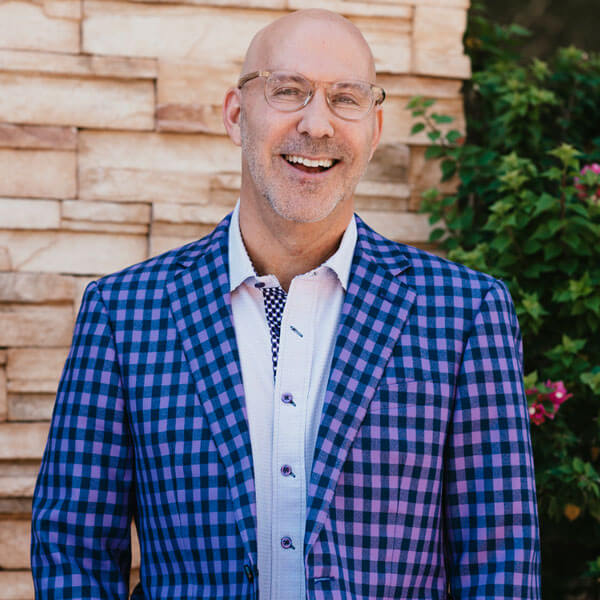
Louis J. Silberman is the CEO and Co-Founder of National Laser Institute, the pioneer of the medical aesthetics training industry and the largest educator in the country. NLI also operates one of the busiest medical spas in the country, seeing up to 3,000 clients per month. Louis Silberman is also an entrepreneur who has been named Ernest and Young’s EY Entrepreneur of the Year Semifinalist.