Laser Skin Resurfacing Training: A Comprehensive Guide
Laser skin resurfacing training allows technicians to perform one of today’s most popular cosmetic treatments, a technique that has gained tremendous traction over the past few decades.
By leveraging the power of laser technology, laser skin resurfacing reduces wrinkles and addresses a wide range of skin imperfections. Also known as a laser peel, laser vaporization, or laser abrasion, laser skin resurfacing can reduce facial wrinkles, scars, and blemishes with real precision.

Understanding Laser Skin Resurfacing
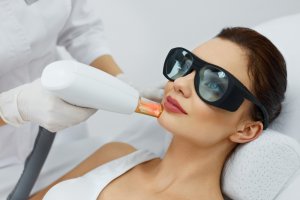
Laser skin resurfacing training educates cosmetic laser technicians on a dermatological technique that uses focused light beams to remove the outer layers of the skin, promoting the growth of new, healthy skin cells. The process helps reduce facial wrinkles, age spots, acne scars, and other skin irregularities by precisely targeting damaged skin, effectively improving skin texture and tone.
What Is Laser Skin Resurfacing?
Laser skin resurfacing is where the laser directs short, concentrated pulsating beams of light at irregular skin, removing unwanted, damaged skin one layer at a time. This targeted approach also means fewer issues with hypopigmentation (unwanted lightening of the skin).
As the laser removes the outer layer of skin (the epidermis), it simultaneously heats the underlying dermis, which stimulates the growth of new collagen fibers which is a protein vital to skin elasticity and firmness. As the skin heals, the regenerated skin appears smoother and more youthful.
Types Of Lasers Used For Laser Skin Resurfacing
There are three categories of laser skin resurfacing devices, each suited to address different concerns and skin types:
Ablative Lasers:
Ablative lasers work by uniformly removing a thin layer of skin with each pass. Ablative lasers are more invasive, but highly effective. CO2 lasers are commonly used for deeper wrinkles, scars, and warts, while Erbium lasers are preferred for milder skin issues and offer a shorter recovery time.
Non-Ablative Lasers:
Non-ablative lasers don’t remove the outer layer of skin at all. Instead, they heat the underlying skin tissue to prompt collagen production. Non-ablative lasers are less invasive, have a faster recovery period, and are typically used for mild to moderate skin rejuvenation and texture improvement.
Fractional lasers:
Fractional lasers can be either ablative or non-ablative. The fractional method breaks laser energy into thousands of tiny beams to treat only a fraction of the skin in a given area at once, which reduces downtime while still prompting the body into a strong healing response. Fractional lasers are especially popular for treating age-related blemishes.
Bonus Technology:
A related, technically non-laser treatment worth knowing about is called Intense Pulsed Light (IPL). While not a true laser, IPL is often used to treat similar concerns (like rosacea, acne, sun damage and hyperpigmentation) using broad-spectrum light rather than a single laser wavelength.
 4 Key Laser Skin Resurfacing Facts
- Timing matters. Winter is considered “laser season.” Because laser-treated skin is more sensitive to sun exposure afterward, laser techs typically recommend treatment during fall or winter months, when clients spend more time indoors and are more likely to be covered up.
- Darker skin isn’t automatically excluded. A common misconception is that laser skin resurfacing is only safe for light skin types. While certain lasers do carry a higher risk of discoloration or cell damage in darker skin, safe and effective options exist — and clients with darker skin tones may also consider alternatives like radiofrequency or microneedling instead.
- Results build over multiple sessions. Most non-ablative lasers require a series of treatments for the best results, a trade-off that comes with choosing a minimal-downtime option. Once the full series is complete, however, the effects tend to be genuinely long-lasting.
- Long-lasting results follow proper aftercare. With appropriate post-treatment skincare, the results of laser skin resurfacing can last for years, making it a worthwhile investment for clients seeking meaningful, lasting change.
Laser Skin Resurfacing Benefits
This treatment offers numerous advantages and can significantly enhance a client’s appearance and confidence:
- Reduction of fine lines and wrinkles — particularly effective around the eyes and mouth
- Improved skin texture and tone — correcting uneven complexion for a smoother, more uniform appearance
- Reduced acne scars and other imperfections — including age spots and other minor skin concerns
- Stimulated collagen production — helping maintain skin firmness and elasticity over time
- Long-lasting results — an investment that continues paying off well after the initial treatment series
Laser Skin Resurfacing Training At National Laser Institute
Did you know you can become a cosmetic laser technician after just two weeks of cosmetic laser training courses from National Laser Institute? With over two decades of excellence, we provide both classroom education and clinical hands-on training for the most comprehensive experience available.
Our comprehensive laser courses are taught by some of the industry’s leading experts — cosmetic laser techs, nurses, physicians and skin care specialists with up to 20 years of experience.
During the didactic (classroom) course alone, you’ll learn from up to 13 different instructors, covering laser biophysics, tissue interaction, patient selection and patient care to prepare you for hands-on training.
Your clinical hands-on training takes place in a real medical spa environment, where you’ll treat scheduled clients to gain genuine real-world experience.
Our dedicated staff works around the clock to book paying clients for you to work on, and we keep our classes small for a more intimate, personalized learning experience.
Alongside laser skin resurfacing, you’ll also have the opportunity to learn laser hair removal, IPL photofacial, laser tattoo removal, cellulite and fat reduction, radiofrequency skin tightening, and more.
Laser skin resurfacing training is a gateway to offering one of today’s most in-demand cosmetic treatments with confidence and precision. You’ll gain a genuine understanding of how laser energy interacts with the skin, the ability to distinguish between ablative and non-ablative technology, and gain a firm grasp on how treatment protocols work.
Laser skin resurfacing delivers real, lasting results that will empower you to safely reduce wrinkles, improve skin tone and help clients feel more confident with a more youthful, refreshed appearance.
As laser technology continues to evolve, so does the need for skilled, certified technicians who can harness its power effectively. Once you complete your training, you’ll feel confident and comfortable performing a variety of laser treatments in any medical setting.
To learn more about National Laser Institute’s course options, fill out our form now or click here to contact us today. You can also give us a call at 1-800-982-6817 to learn more about our laser skin resurfacing training.
About the Author
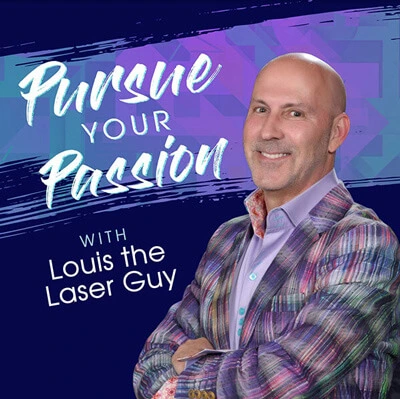
Louis J. Silberman is the CEO and Co-Founder of National Laser Institute, the pioneer of the medical aesthetics training industry and the largest educator in the country. NLI also operates one of the busiest medical spas in the country, seeing up to 3,000 clients per month. Louis Silberman is also an entrepreneur who has been named Ernest and Young’s EY Entrepreneur of the Year Semifinalist.