Esthetician Laser Certification Guide
Esthetician Laser Certification Guide: Everything You Need To Know About Becoming A Cosmetic Laser Technician
The medical aesthetics industry continues to grow as more patients seek non-invasive cosmetic treatments such as laser hair removal, photofacials, skin rejuvenation, body contouring, and skin tightening. As a result, many estheticians are exploring laser certification to expand their skills, increase their earning potential and pursue exciting opportunities in medical spas, dermatology practices, plastic surgery centers, and aesthetic clinics.
If you’re considering a transition into medical aesthetics, this guide answers some of the most common questions estheticians ask before enrolling in cosmetic laser training.
What Does Esthetician Laser Certification Typically Cover In A Comprehensive Program?
A comprehensive esthetician laser training program should provide both foundational knowledge and hands-on clinical experience. The goal is to prepare students to safely and confidently perform popular aesthetic laser procedures on real patients.
Topics commonly covered include:
- Laser Hair Removal
- IPL Photofacial Treatments
- Skin Rejuvenation
- Skin Tightening Procedures
- Acne Reduction Treatments
- Wrinkle Reduction Treatments
- Body Contouring Technologies
- Fractional Laser Treatments
- Tattoo Removal Technologies
- Laser Safety Protocols
- Skin Anatomy and Physiology
- Patient Consultation Techniques
- Treatment Planning and Documentation
The most effective programs combine online education with hands-on clinical training, allowing students to practice under instructor supervision while working with actual patients.
What Steps Do You Need To Take To Become A Cosmetic Laser Technician?
The path to becoming a cosmetic laser technician varies by state, but the process generally includes several key steps:
- Research your state’s regulations regarding cosmetic laser procedures.
- Complete a reputable cosmetic laser training program.
- Earn cosmetic laser certification through a recognized training provider.
- Gain hands-on experience performing laser treatments.
- Build a professional portfolio and resume.
- Apply for positions in medical spas, dermatology offices, plastic surgery practices, and aesthetic clinics.
- Continue advancing your education with additional aesthetic technologies and treatments.
Many estheticians use laser certification as a way to expand beyond traditional skincare services and enter the rapidly growing medical aesthetics industry.
What Is the Average Salary For A Esthetician Laser Technician In The U.S.?
Laser technician salaries vary based on experience, geographic location, certifications, employer type and treatment specialties.
Many cosmetic laser professionals earn significantly more than traditional estheticians because they offer specialized treatments that generate higher revenue for medical practices and med spas.
Factors that influence earnings include:
- Years of experience
- Number of certifications held
- Employer type
- Geographic market
- Commission structures
- Retail sales opportunities
- Advanced treatment offerings
According to ZipRecruiter, the average salary for an esthetician laser technician nationwide is roughly $50,757 annually. However, earnings can vary significantly based on tips, bonuses, commission structures, specialization, location, and experience. Many professionals further increase their income by combining laser services with other aesthetic treatments and continuing education certifications.
What Is Esthetician Laser Certification And How Is It Different From A Standard Esthetician License?
A standard esthetician license is typically issued by a state licensing board after completing approved esthetics education and passing required examinations.
Medical aesthetician certification is an advanced esthetician laser certification that focuses on procedures commonly performed in medical aesthetic settings, including cosmetic laser technologies and other non-invasive treatments.
Key differences include:
Standard Esthetician License
- State-regulated credential
- Focus on skincare fundamentals
- Required to practice esthetics in many states
Medical Aesthetics Certification
- Advanced specialty training
- Focuses on medical aesthetic procedures
- Often pursued after esthetics education
- Can expand career opportunities in medical settings
Because regulations vary by state, students should always verify local requirements before pursuing a specific career path.
What Is Included In An Esthetician Laser Certification Program?
An esthetician laser certification program is designed to teach students how to safely operate aesthetic laser devices and perform popular cosmetic treatments.
Comprehensive programs often include:
- Laser physics and technology
- Skin assessment
- Fitzpatrick skin typing
- Treatment indications and contraindications
- Patient consultations
- Laser safety protocols
- Clinical treatment techniques
- Hands-on patient experience
- Device operation and maintenance
- Business and career development training
Programs that include live patient treatment experience often provide graduates with greater confidence when entering the workforce.
What Is The Difference Between A Laser Hair Removal Certification And A Full Cosmetic Laser Certification?
Laser Hair Removal Certification
Focuses specifically on hair reduction treatments using laser technology and may cover:
- Hair growth cycles
- Laser hair reduction treatments
- Treatment planning
- Patient consultations
- Safety procedures
Full Cosmetic Laser Certification
Typically includes multiple aesthetic laser modalities and treatment categories; and may include
- IPL Photofacials
- Skin Rejuvenation
- Skin Tightening
- Acne Reduction
- Wrinkle Reduction
- Body Contouring
- Fractional Laser Technologies
- Advanced Aesthetic Treatments
For estheticians seeking maximum career flexibility, a comprehensive cosmetic laser certification often provides a broader foundation.
What Education And Training Do I Need To Start A Career In Medical Aesthetics?
Medical aesthetics professionals come from a variety of educational backgrounds.
Depending on state regulations and career goals, when looking at how to become a medical aesthetician, individuals may begin their journey as:
- Licensed Estheticians
- Cosmetologists
- Registered Nurses
- Nurse Practitioners
- Physician Assistants
- Physicians
- Dentist
- Career Changers Entering Medical Aesthetics
Successful professionals typically pursue specialized aesthetic education, hands-on training, continuing education, and advanced certifications throughout their careers.
Employers often value practical experience, confidence with patient interaction, and familiarity with multiple treatment technologies.
What Should You Look For When Choosing A Cosmetic Laser Training School?
Choosing the right training program can significantly impact your confidence, skills, and career opportunities.
When evaluating schools, consider:
Hands-On Experience
Look for programs that provide substantial clinical training with real patients.
Experienced Instructors
Learn from professionals actively working in medical aesthetics.
Comprehensive Curriculum
Seek training that covers multiple treatment modalities rather than a single procedure.
Industry Reputation
Research reviews and graduate success stories.
Flexible Learning Options
Many students benefit from hybrid online/web-based and hands-on training models.
Ongoing Support
Career guidance, alumni resources and continuing education opportunities can add long-term value.
The best schools focus not only on certification but also on preparing students for successful careers.
Where Can I Find Real Success Stories From Estheticians Who Transitioned Into Cosmetic Lasers?
One of the best ways to evaluate a training program is by reviewing graduate success stories.
Look for case studies featuring:
- Career transitions
- Income growth
- New job opportunities
- Med spa employment
- Business ownership
- Expanded treatment offerings
- Personal and professional development
These studies provide real-world insight into what is possible after completing cosmetic laser training and can help prospective students understand the career paths available within medical aesthetics.
Start Your Journey Into Medical Aesthetics
For estheticians looking to expand their skills, increase their earning potential, and enter the growing world of medical aesthetics, cosmetic laser training can be a valuable next step.
By understanding certification options, training requirements, career opportunities and industry expectations, you’ll be better prepared to choose the right educational path and build a rewarding future in medical aesthetics.
Whether you’re looking to expand your services, increase your earning potential, or break into medical aesthetics, the right laser certification can open the door to new opportunities. Contact National Laser Institute today to learn more about starting your career as a cosmetic laser technician or getting your esthetician laser certification today. Fill out our form today or call 800-982-6817 now to speak with one of our friendly advisors to get started!
About the Author
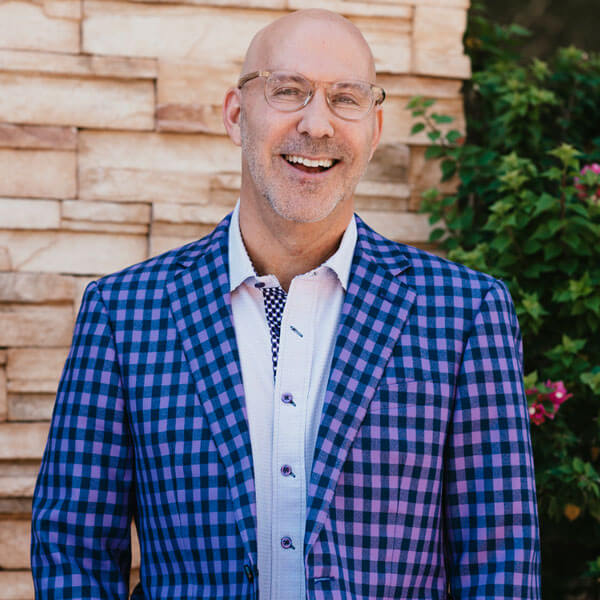
Louis J. Silberman is the CEO and Co-Founder of National Laser Institute, the pioneer of the medical aesthetics training industry and the largest educator in the country. NLI also operates one of the busiest medical spas in the country, seeing up to 3,000 clients per month. Louis Silberman is also an entrepreneur who has been named Ernest and Young’s EY Entrepreneur of the Year Semifinalist.