Medical Esthetician School

A medical esthetician is a health and beauty professional who performs skin care treatments on both the epidermal and dermal layers of the skin. The role of medical esthetician sits between dermatologists and estheticians. Those who pursue this path are often already working as dermatologists, estheticians or skin care specialists and want to add newer skin care technologies to their list of services.
Medical aesthetics has been called one of the fastest-growing, most rewarding professions in healthcare. If you are exploring medical esthetician school or becoming a medical esthetician, this guide covers what you will learn, who can enroll, and where the training can take you.
Medical Esthetician School vs. Esthetician School
Standard esthetician school, where estheticians enhance clients’ overall appearance, focuses on surface-level skin work such as waxing, facials and peels, and it usually takes 6 to 12 months.
Medical esthetician training covers treatments that reach the dermis, such as laser hair reduction, IPL skin rejuvenation, radiofrequency (RF) skin tightening, Botox and dermal fillers, and it typically takes one to three weeks.
Unlike esthetician school, a medical esthetician school gives you the chance to learn and practice anti-aging treatments. Many students attend both, and many start with medical aesthetics because it is shorter and complements later esthetician training.

 Five Reasons To Choose Medical Esthetician School
- Lasers are popular. Cosmetic lasers are widely discussed in the media and remain in demand making them a solid income opportunity.
- Lasers show faster results. A radiofrequency (RF) skin treatment can show visible results in about three days and it costs more than a chemical peel.
- Laser treatments are quicker. Procedures like underarm or upper lip hair reduction take about 15 minutes so you can see more clients per day.
- Technology keeps advancing. Newer devices tend to produce faster results, which encourages clients to return.
- Injectables are in demand. Botox and dermal fillers are among the top nonsurgical treatments and doctors and nurses can add them to their skillset.
An Industry On The Rise
Demand comes from treatments that offer youthful results without downtime or the cost and risk of surgery.
A 2024 ASPS report showed:
- 28 million minimally invasive cosmetic procedures were done in 2024
- Botox treatments were top on the list with nearly 9.9 million
- Hyaluronic acid fillers came in second with a little over 5 million
- Skin resurfacing treatments listed in 3rd place with over 3.7 million.
ASPS’s 2025 data shows neuromodulators and fillers together made up 80% of all minimally invasive procedures.
- The American Med Spa Association reports the medical aesthetics industry has passed $17 billion and is growing by more than $1 billion a year.
- Its 2024 industry report counted 10,488 U.S. med spas and 18% of them opened in 2023.
- The number of U.S. med spas nearly doubled within five years, from 5,431 in 2018 to 10,488 in 2023.
- U.S. spending on nonsurgical aesthetic procedures reached $17.5 billion in 2024, and it looks like this upward trend will continue.
Future growth analytics reported the following trends:
- A MarketsandMarkets report projects the global medical aesthetics market will grow from $19.5 billion in 2025 to $40.7 billion by 2031.
- The Bureau of Labor Statistics projects 7% job growth for skincare specialists from 2024 to 2034, much faster than the average for all occupations.
Who Can Enroll In A Medical Esthetician School?
Most states require at least a high school diploma or GED for laser certification and you do not need to be an esthetician first.
In Arizona, tattoo removal training requires a laser hair removal course within the same program.
Injectables such as Botox, Dysport, dermal fillers, Kybella, and sclerotherapy require medical professional status (MD, DO, RN, NP, PA, LPN, LVN or dentist) plus certification.
Licensing rules vary by state, so check your state’s requirements and call 800-982-6817 if you have questions.
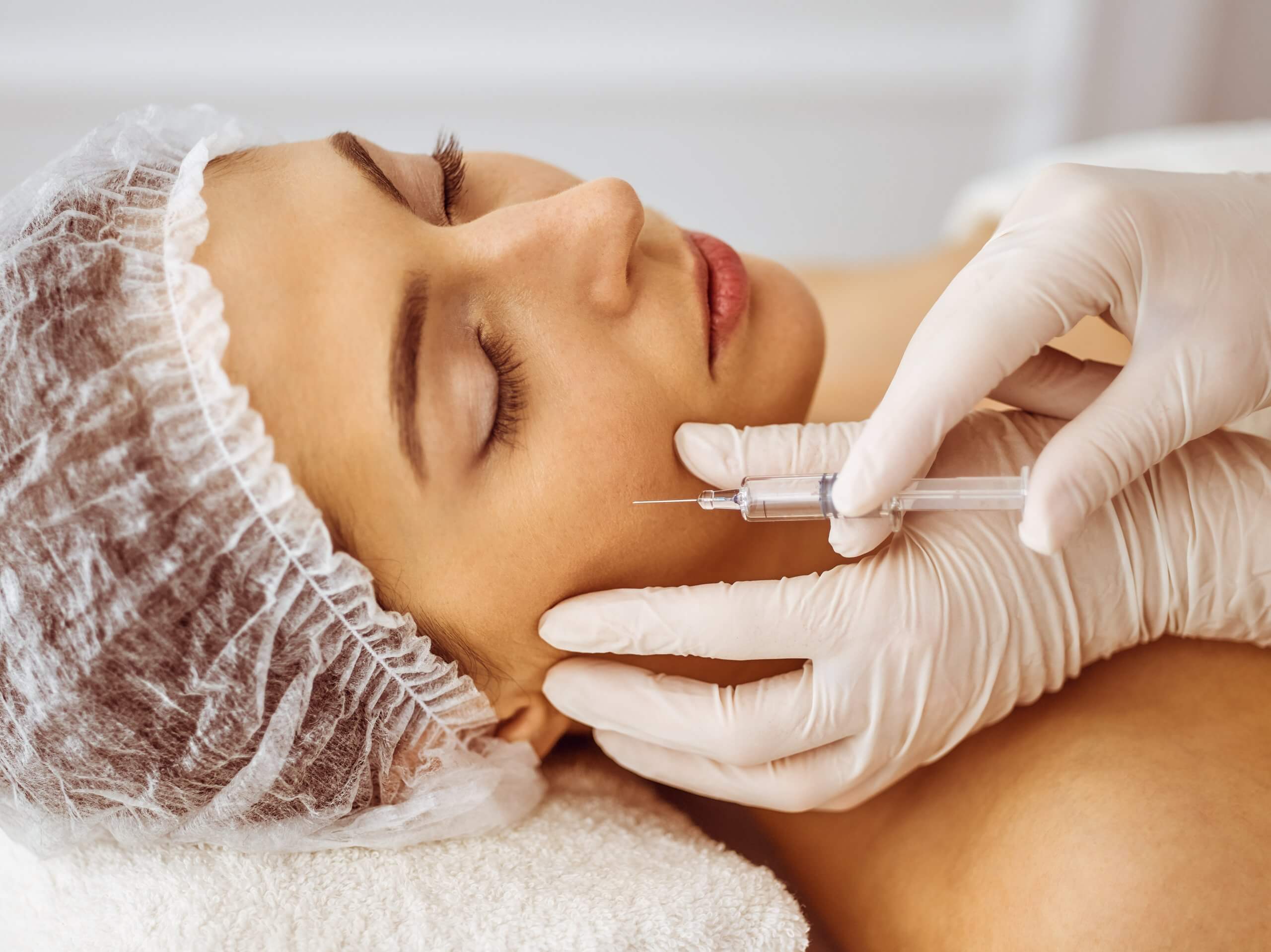
Why Are Doctors And Nurses Adding Aesthetics?
Medical professionals are enrolling in aesthetics for three main reasons:
- Patients who already trust their physician are likely to trust that physician with cosmetic work.
- Cosmetic procedures are generally not covered by insurance, so the practice sets the price and keeps the full fee.
- Celebrity interest in laser treatments and the trend of medical facilities adding medical spas have increased demand.
Burnout plays a part as well with a recent article citing that about 6 in 10 physicians worry about where medicine is heading. Over 55% of emergency medical specialists feel burned out, while 67% of nonsurgical specialists are satisfied in their roles.
Medical aesthetics can offer higher income potential, advanced technology, and an escape from long hospital hours.

 What You Will Learn At A Medical Esthetician School
Programs include both classroom and hands-on training, with instruction in facial anatomy, tissue interaction, and pre- and post-care.
Laser operators must understand their equipment and its safety functions, because poor training can seriously harm a client.
Laser and light-based training. Students learn how a laser destroys hair follicles, along with laser biophysics (light, wavelength, energy, pulsing and spot size), how lasers interact with tissue, laser hazards and the safety regulations set by national, state, and local agencies, and competency in laser and IPL hair removal.
Students observe and demonstrate permanent hair reduction, IPL skin rejuvenation, fractional wrinkle reduction, radiofrequency (RF) skin tightening, vein reduction and tattoo removal.
Injectables. Botox and Dysport training covers anatomy, safety issues and complications, indications and contraindications, injection technique and communication.
Dermal filler training also includes how to choose among hyaluronic acid, collagen and other fillers.
Anti-aging Treatments. Popular anti-aging treatments include IPL photofacials, fractional laser, radiofrequency (RF) skin rejuvenation, dermal fillers and Botox, which a 2025 plastic surgery statistics report ranked as the #1 nonsurgical cosmetic treatment.
Careers And Income
Graduates work in dermatology clinics, doctors’ offices, medical spas, laser facilities, salons, fitness centers and healthcare facilities, and some open their own businesses.
Physicians’ offices can add cash-based aesthetic services without insurance complications, and niche boutiques focused on laser hair or tattoo removal keep overhead low.
Learn more about laser tech salaries and income opportunities and view the following medical aesthetician career overview for additional information about the career path itself and what to expect.
Pay depends on location, business type, skill, and hours. The Bureau of Labor Statistics data lists the median hourly wage for skincare specialists was $21.79 in May 2025. However, this figure has serious growth potential, with increases based on client base, training levels and many other factors. Medical aestheticians are paid hourly, on commission, or by salary plus commission.
Choosing The Right Medical Esthetician School
Before enrolling in a medical esthetician school, be sure to check its accreditation because training from an improperly accredited school wastes both time and money.
Performing cosmetic laser or injectable treatments without proper, certifiable training is illegal and can lead to lawsuits and penalties. Always choose a reputable training program that is accredited and aligns with state-regulated requirements.
Hands-on training matters as much as classroom lectures because it builds practical skill with injections and laser settings and gives you the confidence to treat your own clients.
National Laser Institute states that they hold the necessary accreditations, that its dermatologists, plastic surgeons and nurses lead the CE/CME courses, and that its management team has over 100 years of combined experience.
Course Options At National Laser Institute
National Laser Institute has trained thousands of medical professionals, aestheticians and career changers for more than 20 years.
Instructors have 7 to 20 years of field experience, and courses combine classroom instruction with clinical training in a medical spa, in small groups with demonstrations and supervised treatments on scheduled clients.
Courses run from one day to two weeks with training options that include:
- Laser training: This Online Comprehensive Laser Course covers laser hair removal, photofacials, skin rejuvenation, radiofrequency treatments, Body Contouring, cellulite reduction, tattoo removal and microneedling.
- Botox injection training and dermal filler training: The CE/CME Online Cosmetic Injections Course covers Botox, fillers, off-label uses, PRP, sclerotherapy, and PDO threads, followed by clinicals.
- Aestheticians can choose from a variety of course options such as the 8-day laser hair reduction course, 14-day comprehensive laser course, tattoo removal, and a 1-day chemical peels add-on.
Our campuses are located in Scottsdale, Arizona, Dallas, Texas and Chicago, Illinois with destination training courses in additional cities.
Financing, scholarships and campus tours are also available, and the Graduate Services Department helps with job placement.
Read our reviews to hear from graduates like Mary Ellen, who moved from esthetician school with no job lined up or from a laser technician at a med spa in Anchorage, Alaska.
Watch Student Videos
- Medical professionals explain why they chose medical aesthetics
- Video reviews from graduates
- Student video 1
- Student video 2
Ready to start? Contact us today by filling out our form or calling 800-982-6817 now.
About the Author
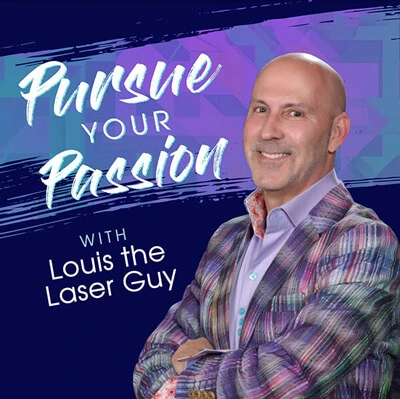
Louis J. Silberman is the CEO and Co-Founder of National Laser Institute, the pioneer of the medical aesthetics training industry and the largest educator in the country. NLI also operates one of the busiest medical spas in the country, seeing up to 3,000 clients per month. Louis Silberman is also an entrepreneur who has been named Ernest and Young’s EY Entrepreneur of the Year Semifinalist.