Who Can Administer Botox?
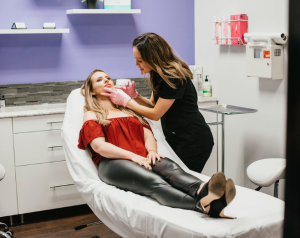
The most popular question we’re asked is, “Who can administer Botox?” With the popularity of cosmetic injections on the rise, many physicians and nurses are looking to transition into the medical aesthetics industry. Millions of men and women receive Botox treatments annually, but that doesn’t mean just anyone can administer it. In the United States, you can only provide botulinum toxin injections if you meet specific requirements and attend a Botox course.
Since its FDA approval in 2002, more than 5 million people in the U.S. alone have gotten Botox treatments, and the Botox and medical esthetics industry is a billion-dollar market earning more and more clientele each year. In order to meet the demand, certified medical professionals need Botox training from a highly reputable Botox training school.
Who Is Eligible To Inject Botox?
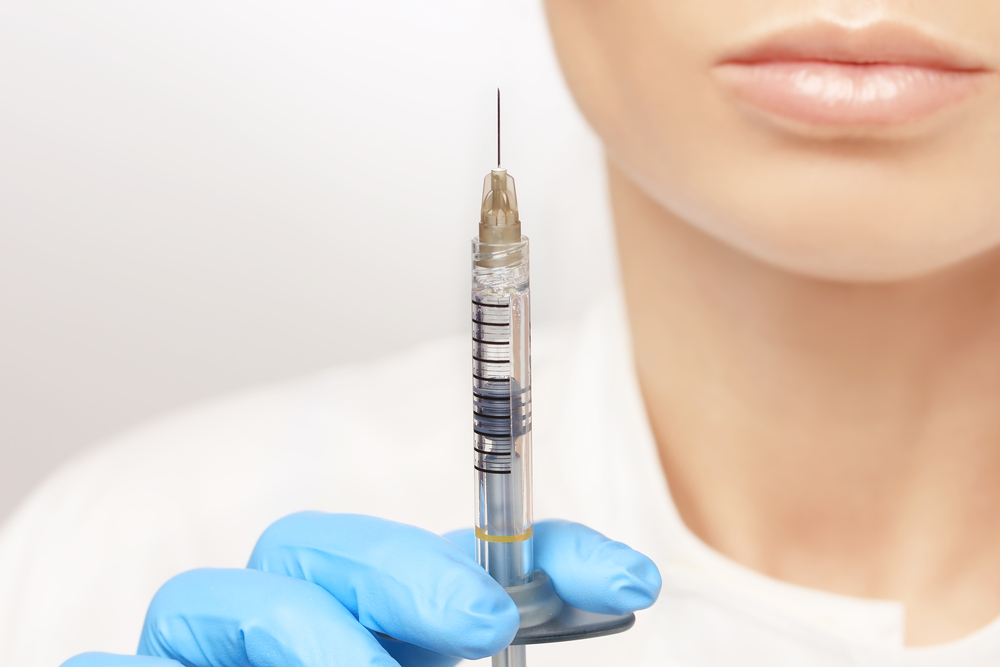 Who can inject Botox? You are eligible to provide Botox injections if you are a medical professional – a physician (MD or DO), a nurse (RN), a nurse practitioner (NP), a physician’s assistant (PA), or a dentist. In a FEW states, licensed nurse practitioners (LNPs) and licensed vocational nurses (LVNs) can also administer Botox with proper training and supervision. A common question we hear too often is can estheticians inject botox? The simple answer is no, estheticians are not allowed to inject Botox because it isn’t within their scope of practice. In all the states, doctors may perform Botox injections as they will act as their own medical director. It’s a requirement for every practice to have a medical director who delegates permission for the providers to do the services ranging from injections to cosmetic lasers, etc. In almost all states nurses, nurse practitioners (NP) and physician assistants can legally administer Botox and dermal fillers under the direction of a medical director (which in many states a NP qualifies to be a medical director) though regulations vary considerably by state, and may include other eligible professionals depending on where you live.
Because there’s no single federal standard for who can inject cosmetic neurotoxins, it’s worth understanding how much these rules differ from state to state. Some states require only that an eligible medical professional complete an approved training program before administering Botox independently. Others require ongoing physician oversight for every injection, meaning a nurse or PA must always work under a supervising doctor’s direct guidance which simply means a physician or NP can delegate permission but often does not need to be on site so they simply check in as needed and finding a medical Director is fairly simple process that cost a reasonable monthly fee.
Before medical professionals enter a Botox training course, they must show proof of their medical education. In Botox training courses, medical professionals focus strongly on injection safety, ensuring proper protocols are followed so safety measures can be carefully carried out every time.
A Word Of Caution For Botox Parties And Bars
Clients should be very cautious when considering “Botox parties,” “Botox bars” and unlicensed “esthetician injectors.” You do not want to receive Botox anywhere unless it is a professional setting. Places like doctor’s offices and medical spas have the proper materials on hand, as well as a safe way to dispose of injection needles. Because estheticians cannot legally practice Botox (they are not medical professionals), seeking Botox treatments from an esthetician is never recommended, no matter how convenient or informal the setting might seem.
What Exactly Is Botox?
Botox is an FDA-approved non-surgical treatment in which a sterile needle injects small concentrations of product into the muscle, causing it to become less stiff and preventing future wrinkles from forming. In medical settings, this neurotoxin is used to treat conditions like excessive sweating (hyperhidrosis), migraines, and even bladder disorders. In medical spa settings, it’s used cosmetically to treat fine lines and wrinkles by temporarily relaxing the targeted muscles.
When injected in small doses, Botox works by blocking signals from the nerve cells, leaving the muscles unable to create the facial movement that causes creasing. The neurotoxin is injected into the neuromuscular tissue directly under the surface of the skin. This anti-aging treatment is typically performed on the wrinkles present on the forehead, cheeks, and around the eyes and mouth.
Off-label uses of Botox have always been popular among trained injectors. A Botox “lip pop,” for instance, is designed to give patients a fuller-looking lip without the volume of a traditional filler. Injecting the brow depressors can create a subtle eyebrow lift, often called a non-surgical brow lift. Botox can also relax and soften platysmal bands (those vertical cords that can become visible in the neck with age), and when paired with dermal fillers under the eyes can help reduce the appearance of dark circles and under-eye bags caused by volume loss. Learning these off-label applications alongside the standard, FDA-approved uses gives a cosmetic injector a much broader range of services to offer clients, which in turn supports a stronger, more diverse practice.
Why It Pays To Administer Botox
There are some medical professionals who stay within the same field of medicine for years, while others become unfulfilled and seek a change. With nonsurgical cosmetic treatments becoming a growing trend, many are exploring the world of medical aesthetics for exactly this reason. Because Botox is the #1 nonsurgical cosmetic service in the United States, many medical professionals are eager to add it to their line of expertise.
The number one reason nurses and other medical professionals choose to pursue Botox and cosmetic injections isn’t necessarily the money they can make, although the financial opportunity can certainly be significant. For many, it’s a passion for helping people look and feel their best, build their confidence, and improve their self-esteem. The ability to combine their medical expertise with a service that can have such a positive impact on how people feel about themselves is a major part of what makes medical aesthetics so rewarding.

It genuinely pays to know how to administer Botox. With the average Botox treatment costing around $500 per client, seeing eight clients during a four-hour day could generate approximately $4,000 in revenue. If that pace were maintained consistently, that could translate to roughly $1 million in annual revenue. Depending on whether you work for someone else at an hourly rate plus commission or own your own business, your actual earnings and profit will vary. For example, if you own your own boutique medicine spa and retain approximately 50% after product cost that would be around $500,000 in annual gross profit before expenses.
Even seeing just one Botox client per hour for four hours could generate approximately $2,000 in daily revenue, or about $500,000 annually at a consistent five-day-a-week schedule. Those who also offer dermal fillers, platelet rich plasma (PRP) biostimulators like sculptra and raddiesse or laser treatments alongside Botox can build an even larger revenue stream from the same client base. Because Botox isn’t covered by insurance, none of that revenue is delayed by claims processing or reduced by reimbursement rates as clients pay directly and the money goes straight to the practice.
This financial upside is one reason so many nurses and physicians view Botox training as a smart addition to an existing career rather than a total leap of faith. A nurse practitioner working full-time in a traditional clinical role can add Botox certification and begin offering treatments on the side can gradually build a client base without giving up the stability of their primary position. A physician running a family practice or dermatology office can add Botox as a new service line without having to hire additional specialized staff right away, since existing nursing staff can often be trained to administer it under the physician’s supervision. Nurses working standard 3 days a week -12 hour shifts can take baby steps into aesthetics on off days while maintaining their nursing salary.
Choosing The Right Training Provider
Not every Botox training program is built the same, and the difference matters more than it might seem at first glance. Some programs are little more than a few hours of classroom instruction, with no clinicals, or clinicals with mannequins vs real clients followed by a certificate which is technically legal in some states, but nowhere near enough to build genuine confidence or competence with a needle near someone’s face. When evaluating a Botox training provider or program, look for a few key things: a real hands-on clinical component where you treat actual clients (not just fellow students or practice pads), instructors who are working professionals with years of real-world injection experience and a curriculum that covers not just technique but facial anatomy, patient assessment and how to recognize and handle complications.
It’s also worth considering what happens after training ends. A program that simply hands you a certificate and sends you on your way leaves you to figure out the business side (marketing, client acquisition, and staying current on new products and techniques) entirely on your own. At National Laser Institute we offer programs that provide continued access to resources, alumni support to set graduates up for a much smoother transition into actually building a client base.
How To Become A Cosmetic Injector
Botox training is required for medical professionals who want to perform this procedure. At National Laser Institute, our continuing education courses include didactic education and hands-on clinical practice for a comprehensive learning experience. The instructors who teach our courses are industry experts (medical professionals who perform cosmetic injections full-time) with seven to 20 years of experience in the field.
Botox certification programs are typically one to two days long and include training on a variety of dermal fillers.
Continuing education courses should supplement classroom education with clinical experience, so you receive hands-on practice with the injection techniques you’ve learned. At National Laser Institute, clinicals take place in a medical spa environment where you will watch comprehensive demonstrations and treat real clients under the supervision of your instructor.
Some Common Questions About Botox Training
Can an esthetician do Botox?
No. Estheticians are not medical professionals, so injecting Botox falls outside their scope of practice in every U.S. state. Anyone offering Botox outside of a licensed medical professional’s supervision should be treated as a red flag, regardless of how the service is marketed.
Do I need to already work in a medical spa to get trained?
No. Many students who attend Botox training work in hospitals, private practices, urgent care or other traditional medical settings and are looking to add a new skill or transition into medical aesthetics entirely. Training doesn’t require prior experience in the cosmetic industry, just an active medical license.
How is Botox training different from dermal filler training?
Botox training focuses specifically on neurotoxin injections that relax targeted muscles, while dermal filler training focuses on hyaluronic-acid-based products that add volume. Many comprehensive courses teach both together, since the two are frequently used in combination during the same client visit to achieve a fuller, more balanced result.
Is a weekend really enough time to become certified?
Yes, a weekend is enough for the foundational training and hands-on experience needed to become certified in basic Botox and dermal filler injections. However, getting certified is just the start. Like any medical specialty, aesthetic treatment is an ongoing learning process, and continued education, hands-on experience and advanced training are important for building your skills and continuing to grow as an aesthetic professional.
What happens after I’m certified?
Once certified, you’re equipped to begin administering Botox to clients, either in your existing workplace or a new one. Many training programs also offer ongoing resources after certification, with access to a resource library, continuing education opportunities, and in some cases, direct support for finding employment in the field.
Botox Training At National Laser Institute
Are you ready to take your career to the next level by entering the multi-billion-dollar medical aesthetics industry? National Laser Institute, the nation’s leading medical aesthetics school, offers comprehensive training courses for medical professionals that can be completed in just one weekend. Each course is specifically designed to prepare physicians, nurses, NP’s, PA’s and medical professionals with the skill set necessary to administer non-invasive treatments like Botox in any medical setting. Our goal is for you to feel comfortable and confident providing several cosmetic injection techniques to your future clientele.
National Laser Institute is recognized as the gold standard education and trains hundreds of medical professionals each month across multiple locations. We have been in the industry for over two decades and have earned thousands of reviews from previous attendees — including physicians like Dr. Ryan Krch, who took several of our CE/CME courses and went on to implement what he learned directly in his own practice, sharing the hands-on structure that gave him the confidence to introduce Botox and filler services to his existing patients almost immediately after completing training.
Botox training is an exciting career opportunity for physicians who want to expand their practice and increase revenue by adding Botox treatments to their service menu. Many RNs take our CE/CME training courses to broaden their skill set and start a new part time or full-time career as a cosmetic nurse. Whichever path fits you, National Laser Institute offers access to our online medical aesthetics library, which holds thousands of resources (marketing materials, clinical studies, videos, and more) to support you well beyond graduation.
More Ways To Learn About Botox Training
- Botox certification
- Botox courses
- Botox injection training
- Botox certification FAQs
- Laser school
- Dermal fillers training
To learn more information about National Laser Institute’s medical aesthetics course options, fill out the form on the right or call 1-800-982-6817 to speak with an Admissions Advisor.
About the Author
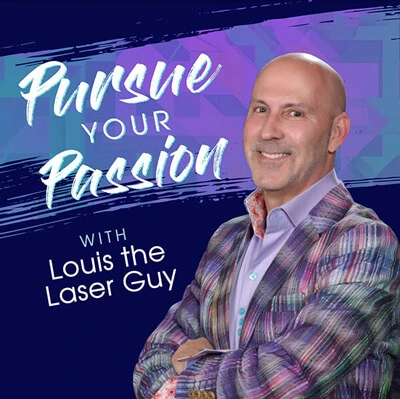
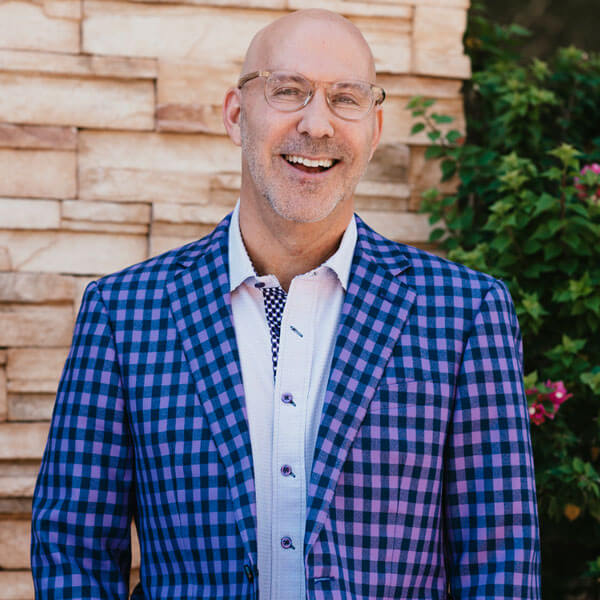
Louis J. Silberman is the CEO and Co-Founder of National Laser Institute, the pioneer of the medical aesthetics training industry and the largest educator in the country. NLI also operates one of the busiest medical spas in the country, seeing up to 3,000 clients per month. Louis Silberman is also an entrepreneur who has been named Ernest and Young’s EY Entrepreneur of the Year Semifinalist.