Laser Tattoo Removal Training

Laser tattoo removal is one of the fastest-growing sectors in the medical aesthetics industry, driven by improved removal technology. Lasers target the ink directly and stimulate it to fade away, while avoiding scarring, wounds and pain with minimal downtime.
As tattoo culture rises, so does demand for removal, including cover-ups and design corrections. This article covers why demand is growing, how removal works, and how to get laser tattoo removal training.
Why Demand For Laser Tattoo Removal Is Growing
Tattoos express identity, but people’s lives and beliefs change. Tattoo regret is common and can stem from changed beliefs, dissatisfaction or career concerns.
An article from The Conversation claims that as many as half of people aged 18 to 35 have tattoos with recent data from the History of Tattoos showing that 17% of tattooed people regret their tattoos.
Tattoo removal is also shifting from a purely cosmetic service to one tied to health concerns. In a 2022 article from the National Library of Medicine, cites that tattoo ink can have adverse effects on health. So whether the concern is an aesthetic one or more about long term health, tattoo removal demand shows no signs of slowing down.
 How Laser Tattoo Removal Works
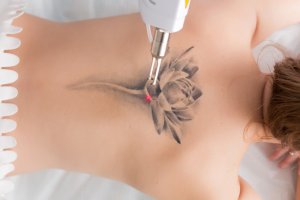
Laser pulses are absorbed by the ink, which heats and shatters it into fragments. The body then clears the fragments over several weeks through the lymphatic and immune system. The science is called selective photothermolysis..
Q-switched lasers are described as the industry standard, and classes cover all three wavelengths (1064, 755, and 532 nm) so you can treat every tattoo color. A 2022 review cited the most common laser types as the: 532 nm and 1064 nm Nd:YAG, Q-switched 694 nm ruby, and Q-switched 755 nm alexandrite, with picosecond lasers gaining popularity.
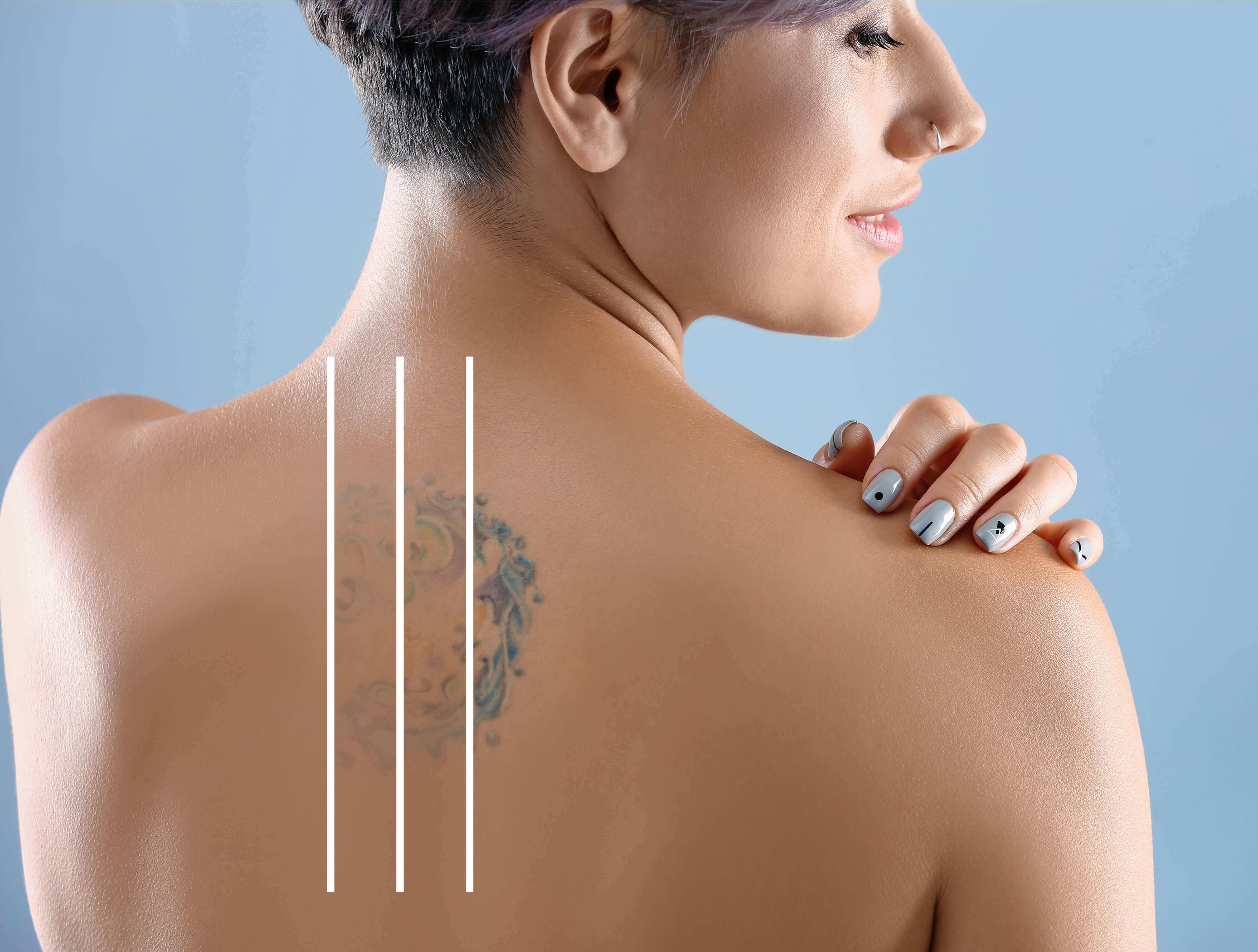
Dark inks generally respond more easily, while lighter colors such as yellow or green may need specialized handling. Tattoos begin to fade over a series of treatments. A treatment usually takes about 10 to 15 minutes
According to verywellhealth.com, laser treatments are done about every six weeks and multiple sessions may be needed, sometimes up to twenty. Sciton’s fractionated erbium laser has been reported to be safe and effective to treat allergic tattoo reactions.
Who Can Become A Tattoo Removal Technician?
To become a cosmetic laser technician, you must be 18 or older with a high school diploma or GED, and in most states no medical license is needed. The training is aimed at tattoo artists, skin care specialists, aestheticians, healthcare providers, career changers and anyone looking for a new job opportunity. A desire to help others, an interest in cosmetics and a good eye for lasers is an added bonus.
 What Does Laser Tattoo Removal Training Cover?
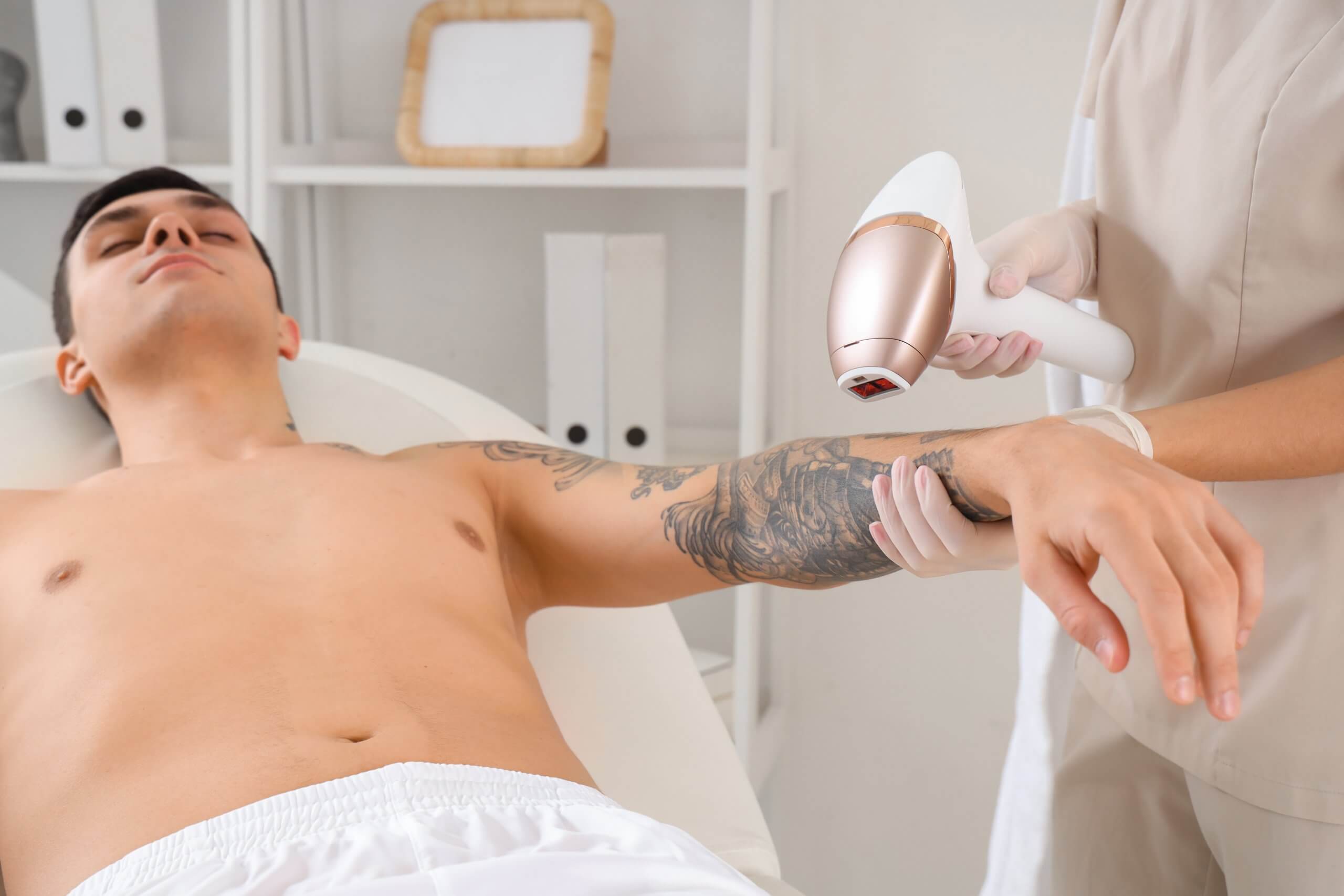
Training combines classroom education with hands-on laser practice. Classroom topics include:
- Tissue interaction
- Wavelengths and laser selection for tattoo removal
- Techniques for optimal results
- Patient selection and consultation
- Pre- and post-procedure care
- Contraindications, treatment plans and tattoo types
- Potential side effects and how to manage them
The remaining training days take place in a retail medical spa, where you treat scheduled clients.
A good course also covers three priorities:
- Training at a reputable institution
- Client communication (managing expectations, explaining outcomes and aftercare)
- Safety (assessing skin type, setting appropriate wavelengths and using protective measures).
National Laser Institute’s courses are based around small class sizes, combining classroom instruction and hands-on clinical training on real clients.
Course length and topic coverage varies, see site for details and a comprehensive view of all of your training options. Interested in viewing the removal process itself? Watch our YouTube tutorial here.
The Just Tattoo Removal course covers tattoo removal only, while the Online Comprehensive Laser Course covers tattoo removal plus laser hair removal, photofacial, microneedling, cellulite reduction, Body contouring, and radiofrequency (RF) treatments. Training can be taken live from a phone or laptop, followed by clinicals at a nationwide location.
Careers And Earnings
Graduates may work in tattoo parlors, dermatology clinics, doctors’ offices, physician’s offices, fitness centers, laser clinics and medical spas, or open their own clinics.
Benefits include working in health and beauty, high earning potential, a growing industry, flexible hours and client relationships. After you graduate, the Graduate Services Department sends job leads to alumni.
Pricing varies with some recent articles estimating treatments at anywhere from $200 to $500 per session with the average client spending about $1,400 over a series of treatments.
The tattoo industry as a whole, which includes tattoo removal, is estimated to be worth 4.5 billion dollars and is only continuing to grow.
Certification for Aestheticians
For aestheticians, the certification course gives the skills for laser tattoo removal. Participants complete modules on removal techniques and technologies, laser safety protocols for practitioner and client, and hands-on training with advanced laser equipment.
A high school diploma or GED is the minimum enrollment requirement. Benefits include skill enhancement, career opportunities in medical aesthetics, client trust and credibility, and networking that may lead to job placements.
 Laser Tattoo Removal Training At National Laser Institute
National Laser Institute has over 20 years of experience and locations across the country. For more information, make sure to read our reviews, learn about our laser training courses, or view laser tattoo removal treatments at our med spa.
Fill out our form today or call 1-800-982-6817 to get started today!

About the Author
Louis J. Silberman is the CEO and Co-Founder of National Laser Institute, the pioneer of the medical aesthetics training industry and the largest educator in the country. NLI also operates one of the busiest medical spas in the country, seeing up to 3,000 clients per month. Louis Silberman is also an entrepreneur who has been named Ernest and Young’s EY Entrepreneur of the Year Semifinalist.